 Sofa VoyageSuomeksi
Baghdad
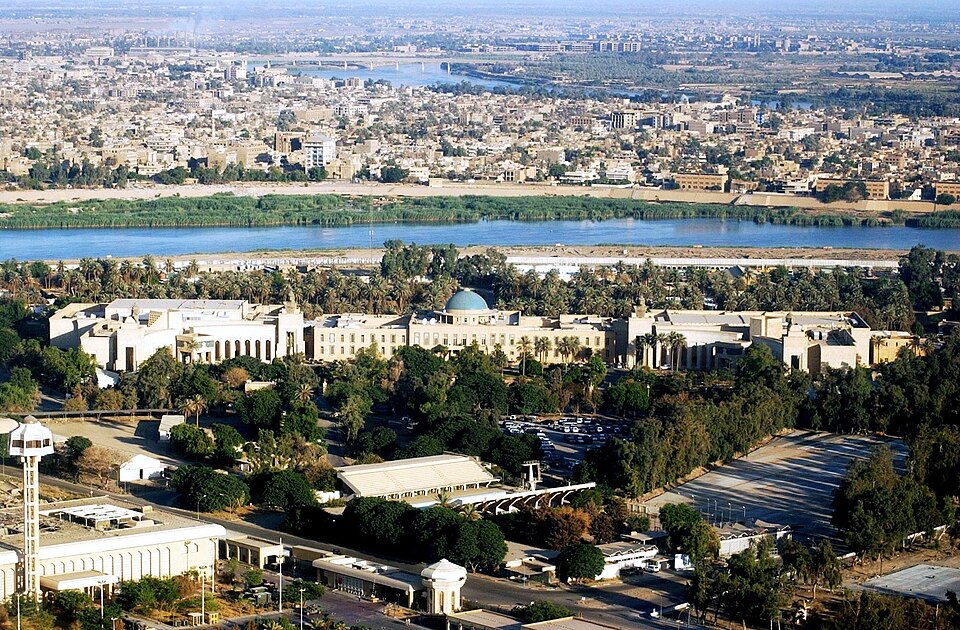
Welcome to Baghdad, the capital and largest city of Iraq, spread along the banks of the Tigris in the heart of the country. Baghdad was founded in 762 by al-Mansur and became the capital of the Abbasid Caliphate. During the Islamic Golden Age it was home to the House of Wisdom and earned a worldwide reputation as a centre of learning, with more than a million inhabitants at its peak. In 1258 it was largely destroyed by the Mongol Empire, beginning a long decline. Today it is a regional cultural hub, famous for its coffeehouses. Let us walk through its long history.
Sights
Iraq Museum
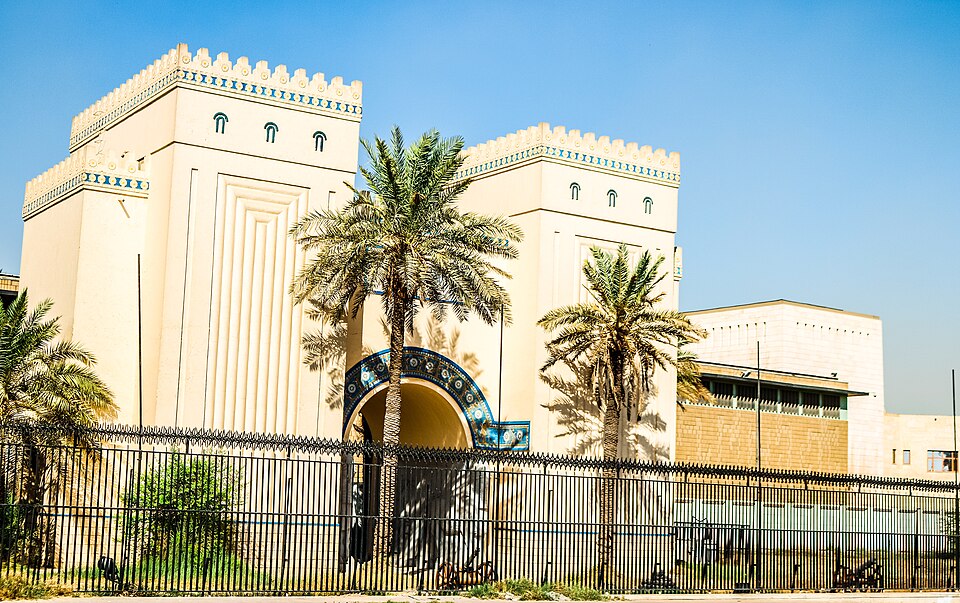
Photo: Hussein A.Al-mukhtar · CC BY-SA 4.0 · Wikimedia Commons Welcome to the Iraq Museum, the national museum of the country, holding relics of the Mesopotamian, Abbasid and Persian civilisations. Its story began after the First World War, when foreign archaeologists were excavating across Iraq. To keep the finds from leaving the country, the British traveller and archaeologist Gertrude Bell began gathering them in a government building in Baghdad in 1922, and she became director of the new museum in 1926. During and after the invasion of 2003 the museum was looted, and despite international efforts only some of the stolen artefacts have come back. It reopened in February 2015.
Al-Kazimiyya Mosque
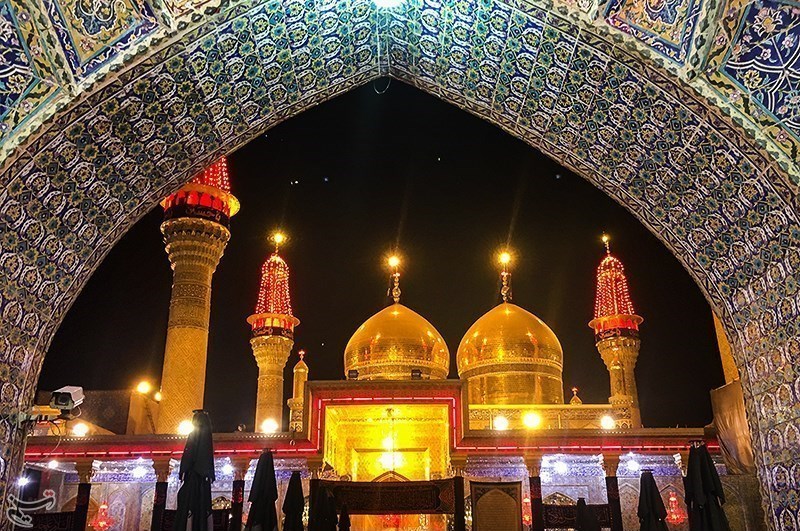
Photo: Hamed Malekpour · CC BY 4.0 · Wikimedia Commons In the Kadhimiya district north of central Baghdad stands the Kadhimiya Mosque, a holy site in Shia Islam. It holds the tombs of two Shia Imams, the seventh, Musa al-Kazim, and his grandson, the ninth Imam, Muhammad al-Jawad. The shrine rises on the site of a cemetery created with the original Round City of Baghdad in 762, founded by the caliph al-Mansur for members of his family. The great scholars Shaykh Mufid and Nasir ad-Din al-Tusi are also buried within its grounds.
Mustansiriyya Madrasa
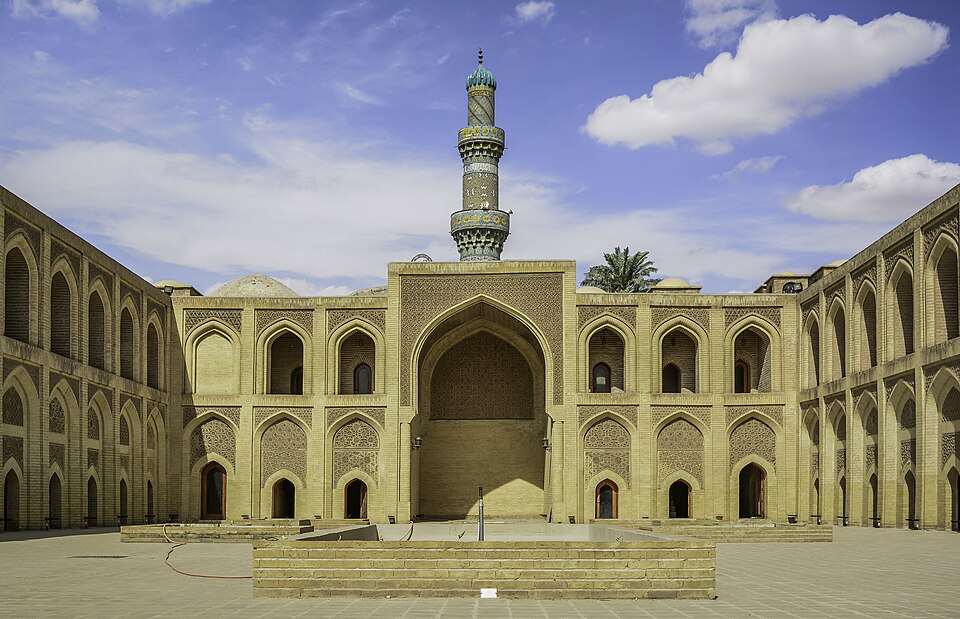
Photo: Mustafa Waad Saeed · CC BY-SA 4.0 · Wikimedia Commons Along the Tigris you will find the Mustansiriyya Madrasa, established in 1227 by the Abbasid caliph al-Mustansir. It was a scholarly complex offering a universal system of higher education, where students studied medicine, mathematics, literature, grammar and philosophy, though its main focus was Islamic law. It became the most prominent centre of Islamic studies in Baghdad. Its greatest blow came with the Mongol siege of 1258, yet it survived, and it remains one of the very few authentic landmarks of Abbasid Baghdad.
Abbasid Palace
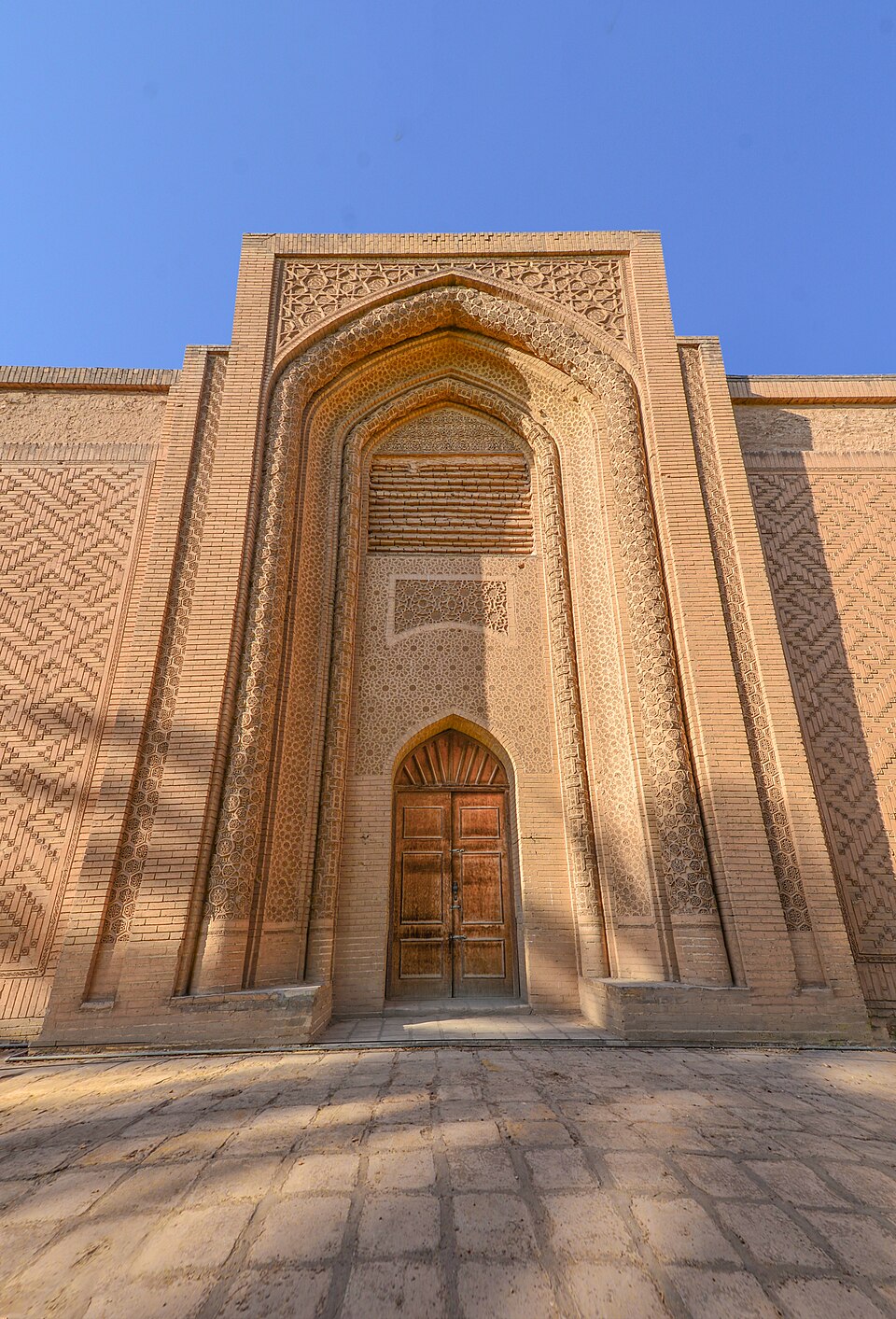
Photo: عدنان السطاي · CC BY-SA 4.0 · Wikimedia Commons Near the eastern bank of the Tigris stands a brick complex known as the Abbasid Palace, generally dated to the late 12th or early 13th century. Here is its mystery: no one is quite sure what it really was. It has been identified either as a palace of the caliph al-Nasir or as a madrasa. Fortified walls with raised walkways and lookout points surround it. After falling into ruin, it was heavily reconstructed in the 20th century, and it is one of the few remaining buildings of the Abbasid era in Baghdad.
Al-Shaheed Monument
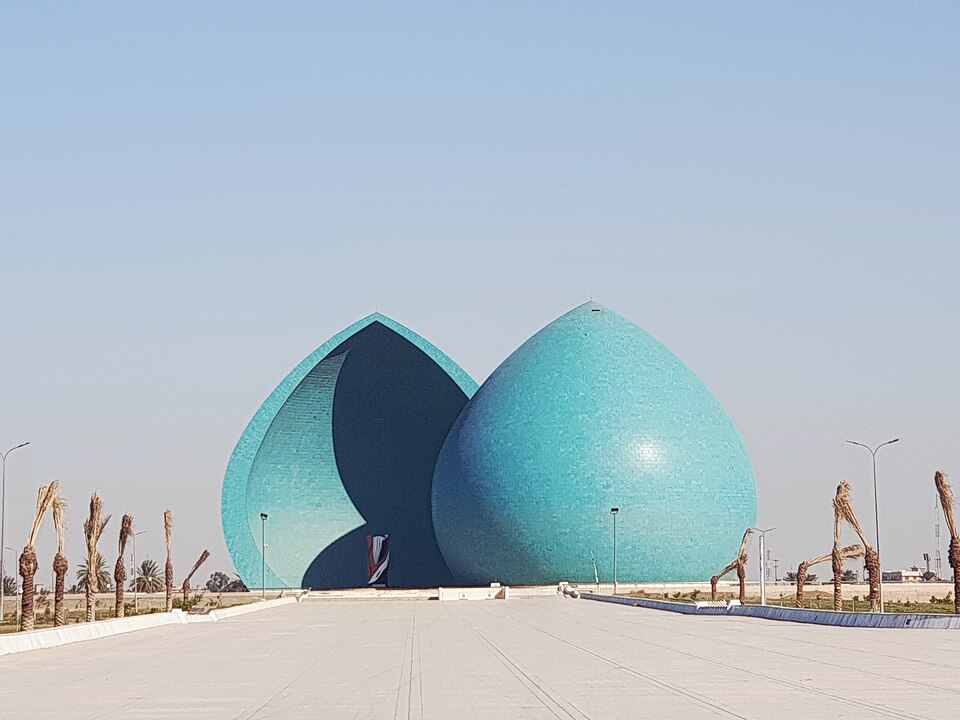
Photo: Mohmmd Abd · CC0 · Wikimedia Commons Before you rises the Al-Shaheed Monument, also known as the Martyr's Memorial, designed by the Iraqi sculptor Ismail Fatah al-Turk. It was originally dedicated to the Iraqi soldiers killed in the Iran–Iraq War, and it has since come to be seen as a memorial to all of Iraq's martyrs. Completed in 1983 on the al-Rusafa side of the city, it is one of three monuments raised to remember the suffering of that eight-year war.
Mutanabbi Street
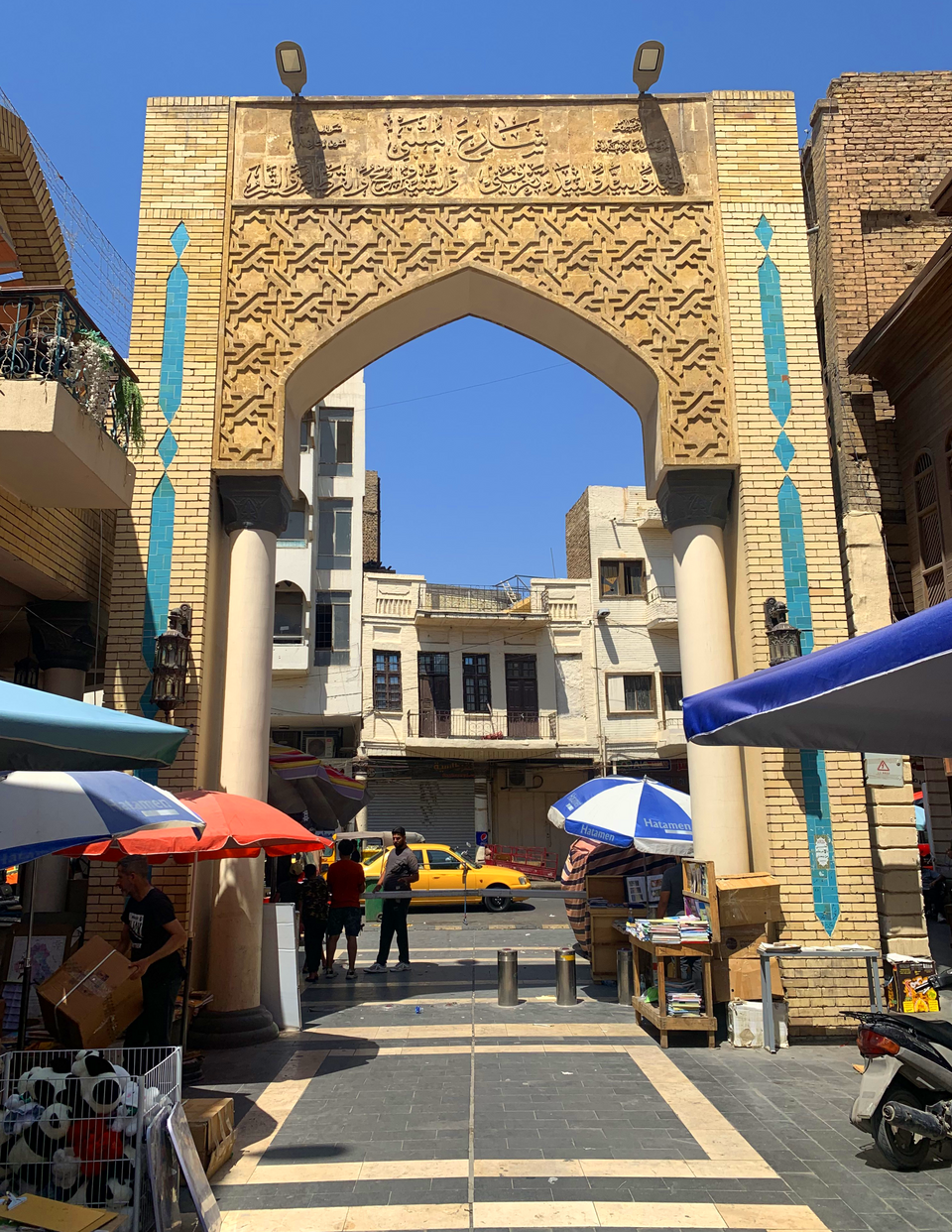
Photo: Ayham4002 · CC BY-SA 4.0 · Wikimedia Commons Finish your walk on Al-Mutanabbi Street, the historic heart of bookselling in Baghdad. Named after the classical poet al-Mutanabbi, this narrow, car-free street near the Tigris is lined with bookshops and outdoor book stalls, and it has been called the heart and soul of the Baghdad intelligentsia. From early morning until late at night it is crowded with poets, writers, artists and students. Fairy lights hang over ornate brick facades and wrought-iron balconies, and you can pause for a drink at the Shabandar Café. Over the decades the street has become a symbol of intellectual freedom.