 Sofa VoyageSuomeksi
Buenos Aires
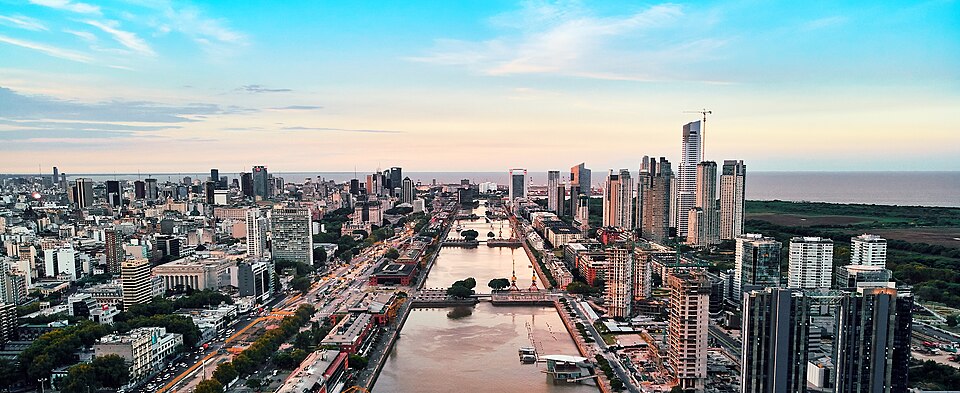
Welcome to Buenos Aires, the capital and largest city of Argentina, on the southwestern shore of the Río de la Plata. It is famous for its eclectic European architecture and its rich cultural life. Since the 19th century, millions of immigrants from around the world have arrived here, making it one of the most diverse cities of the Americas, a true melting pot. In 1880 the city was separated from Buenos Aires Province, and in 1994 it gained autonomy, which is why it is officially the Autonomous City of Buenos Aires. Let us begin at the seat of power, the famous pink house.
Sights
Casa Rosada
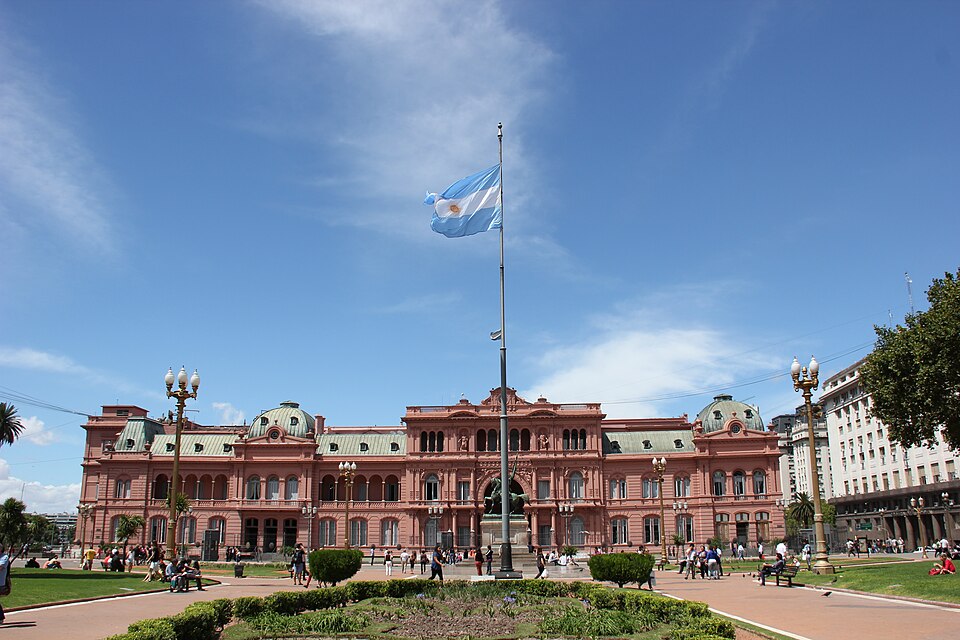
Photo: Lars Curfs ( Grashoofd ) · CC BY-SA 3.0 nl · Wikimedia Commons In front of you stands the Casa Rosada, the pink house, official workplace of the president of Argentina. Its formal name is the House of Government, but everyone knows it by its colour, a soft baby pink that has made it one of the most emblematic buildings in Buenos Aires. The president normally lives elsewhere, at the Quinta de Olivos outside the city. Inside, a museum displays objects connected with former presidents, and the building is a National Historic Monument.
La Boca
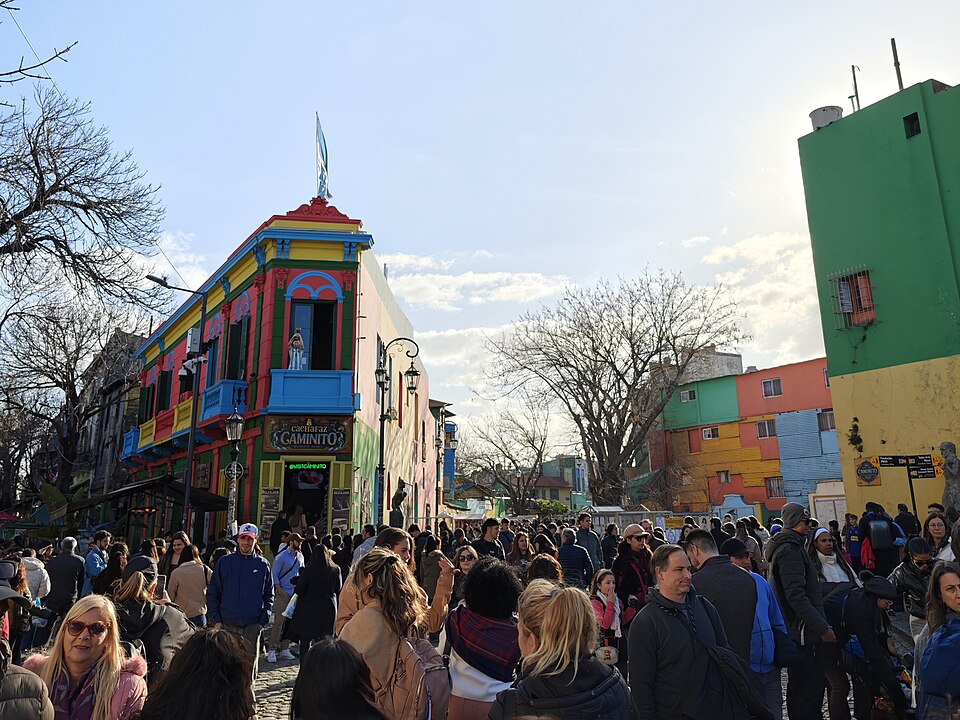
Photo: Gonzabar77 · CC BY 4.0 · Wikimedia Commons Welcome to La Boca, whose name means the mouth, probably of the Matanza River. Near the old port, this neighbourhood became a melting pot of cultures when millions of immigrants arrived in Argentina, many of them from the Italian region of Liguria. La Boca played an important part in the early development of tango. And here is a surprising story: in 1882, after a long general strike, La Boca declared itself separate from Argentina, and the rebels raised the flag of Genoa. Today it is best known as home to the Boca Juniors football club.
Recoleta Cemetery
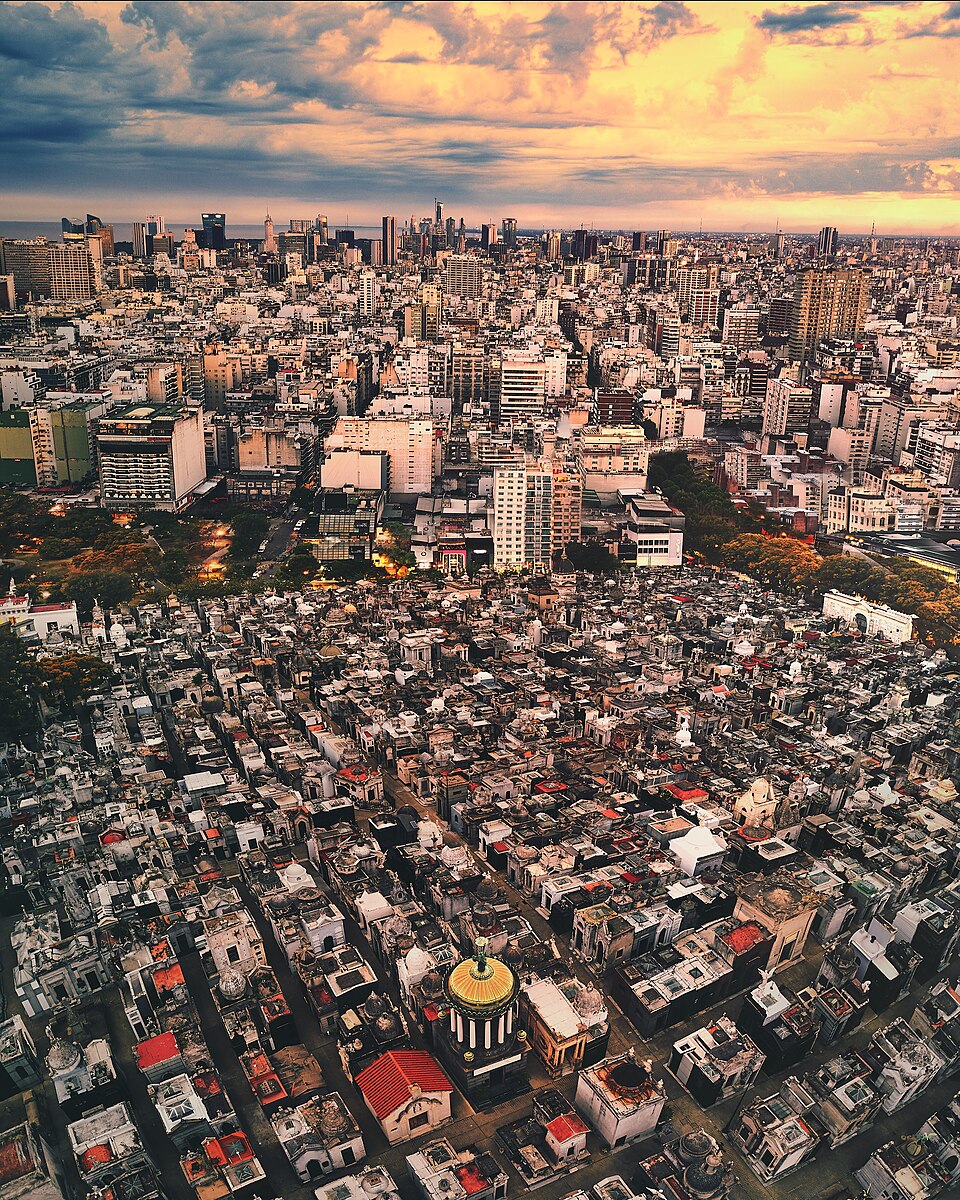
Photo: Deensel · CC BY 2.0 · Wikimedia Commons Enter La Recoleta Cemetery, a city of marble tombs. Franciscan Recollect monks came to this area, then on the edge of the city, in the early 18th century, and their church of Our Lady of the Pillar was built in 1732. When the order was disbanded in 1822, the convent garden became the first public cemetery in Buenos Aires. Among those buried here are Eva Perón, presidents of Argentina, Nobel Prize winners and the founder of the Argentine Navy. The BBC has hailed it as one of the world's best cemeteries.
Teatro Colón
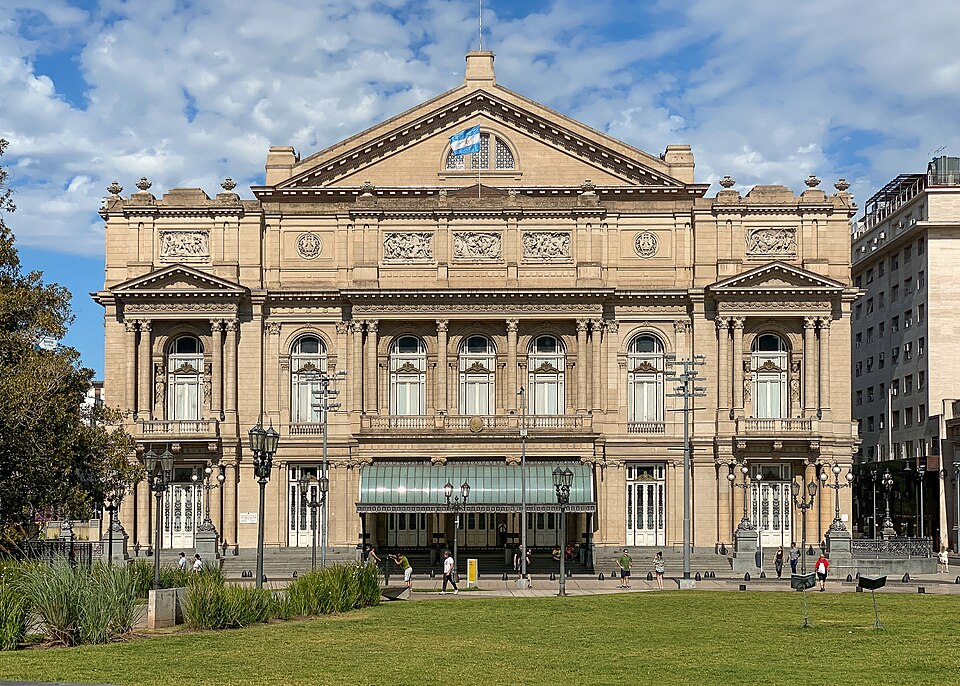
Photo: EEJCC · CC0 · Wikimedia Commons Step inside the Teatro Colón, one of the great opera houses of the world. It replaced an earlier theatre from 1857 and, after a 20-year process, opened on 25 May 1908 with Verdi's Aida. Its fame rests on its sound: in a survey of leading opera and orchestra directors by the acoustics expert Leo Beranek, it was judged the best hall in the world for opera and second best for concerts. The foremost singers and companies of the age performed here, and it was declared a National Historic Monument in 1989.
Obelisco de Buenos Aires
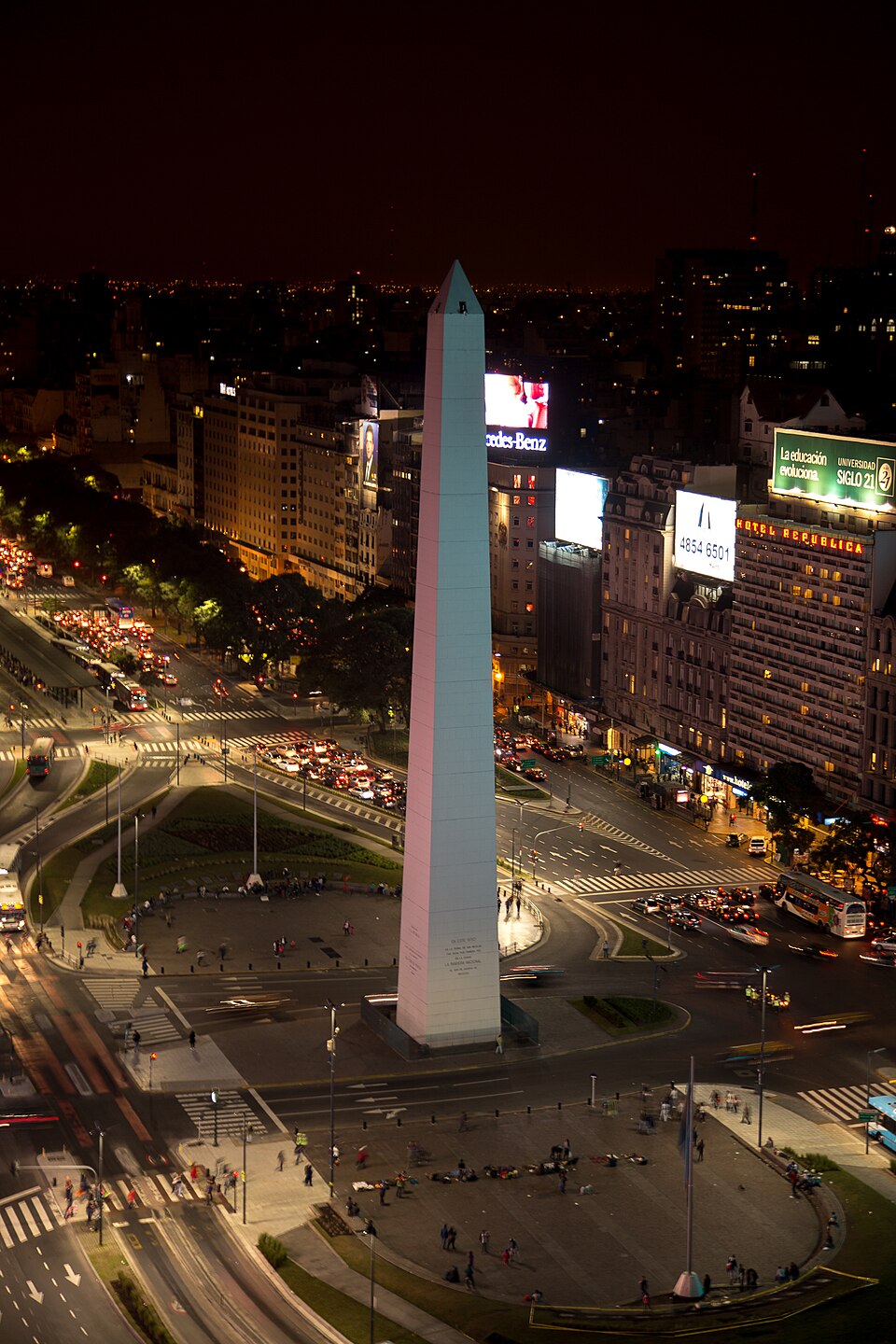
Photo: Rodrigo Paredes from Ciudad Autónoma de Buenos Aires, Argentina · CC BY 2.0 · Wikimedia Commons Where Corrientes Avenue crosses the broad 9 de Julio Avenue rises the Obelisk, an icon of Buenos Aires. It was erected in 1936 to mark 400 years since the first founding of the city. The architect Alberto Prebisch designed it, and the most astonishing part is the speed: construction began on 20 March and was finished on 23 May of the same year. A German company completed the work in only 31 days with 157 workers, using fast-hardening cement poured in 2-metre sections.
Plaza de Mayo
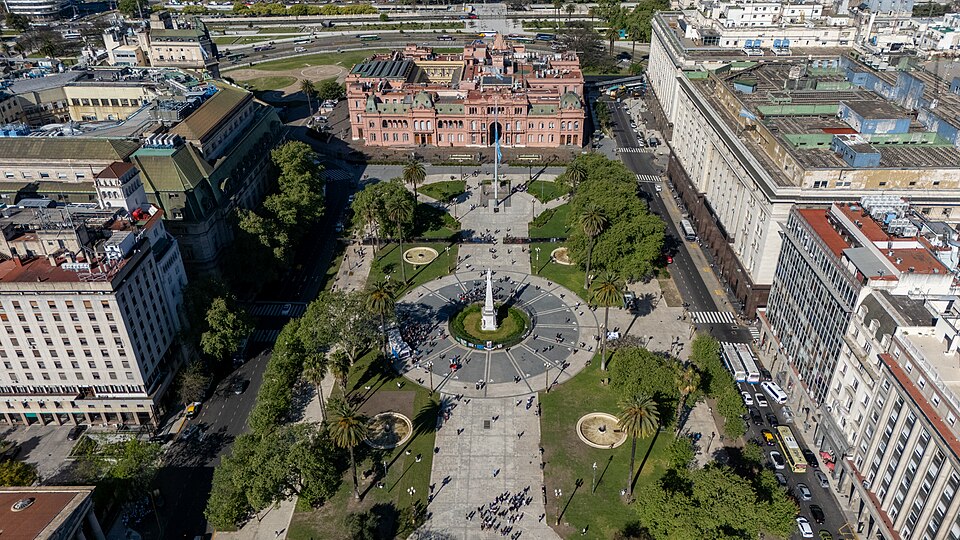
Photo: ProtoplasmaKid · CC BY-SA 4.0 · Wikimedia Commons You are standing in the Plaza de Mayo, the main square of Buenos Aires. It took its present form in 1884, when a building called the Recova was demolished and two older squares were joined together. This square has been the scene of the most momentous events in Argentine history and of the country's largest demonstrations. At its centre is the May Pyramid, inaugurated in 1811 for the first anniversary of the May Revolution and the city's first national monument. Around you stand the Cabildo, the Casa Rosada and the Metropolitan Cathedral.
Caminito
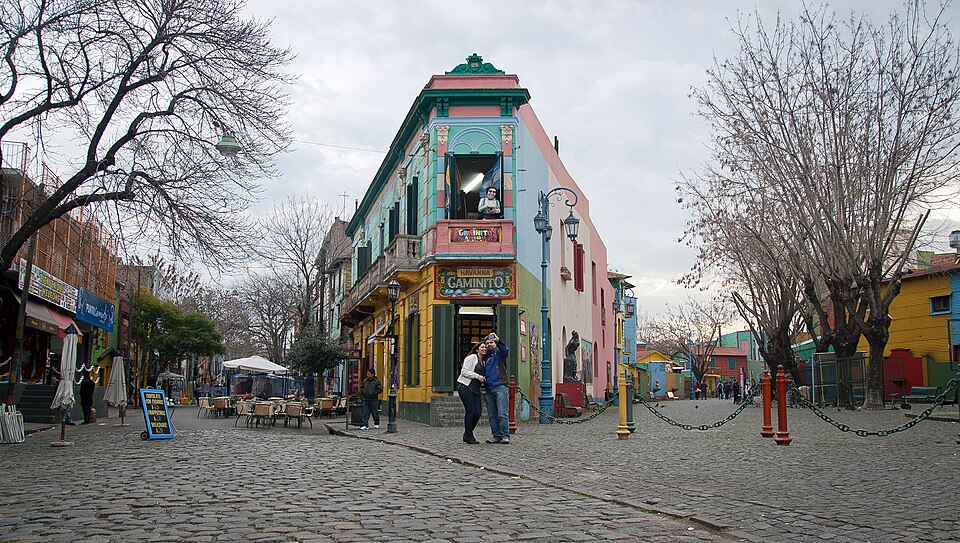
Photo: Hernán Piñera · CC BY-SA 2.0 · Wikimedia Commons Wander down Caminito, a little lane in La Boca that has become a street museum. Its name means little path, and it inspired the music of a famous tango from 1926 by Juan de Dios Filiberto. Once a stream ran here, and later a railway line. After the railway closed in 1954, the spot became a neglected landfill, until the artist Benito Quinquela Martín, who lived nearby, began painting the walls along the abandoned street in pastel colours. Look for the old disused tracks at the end of the lane.
Palacio Barolo
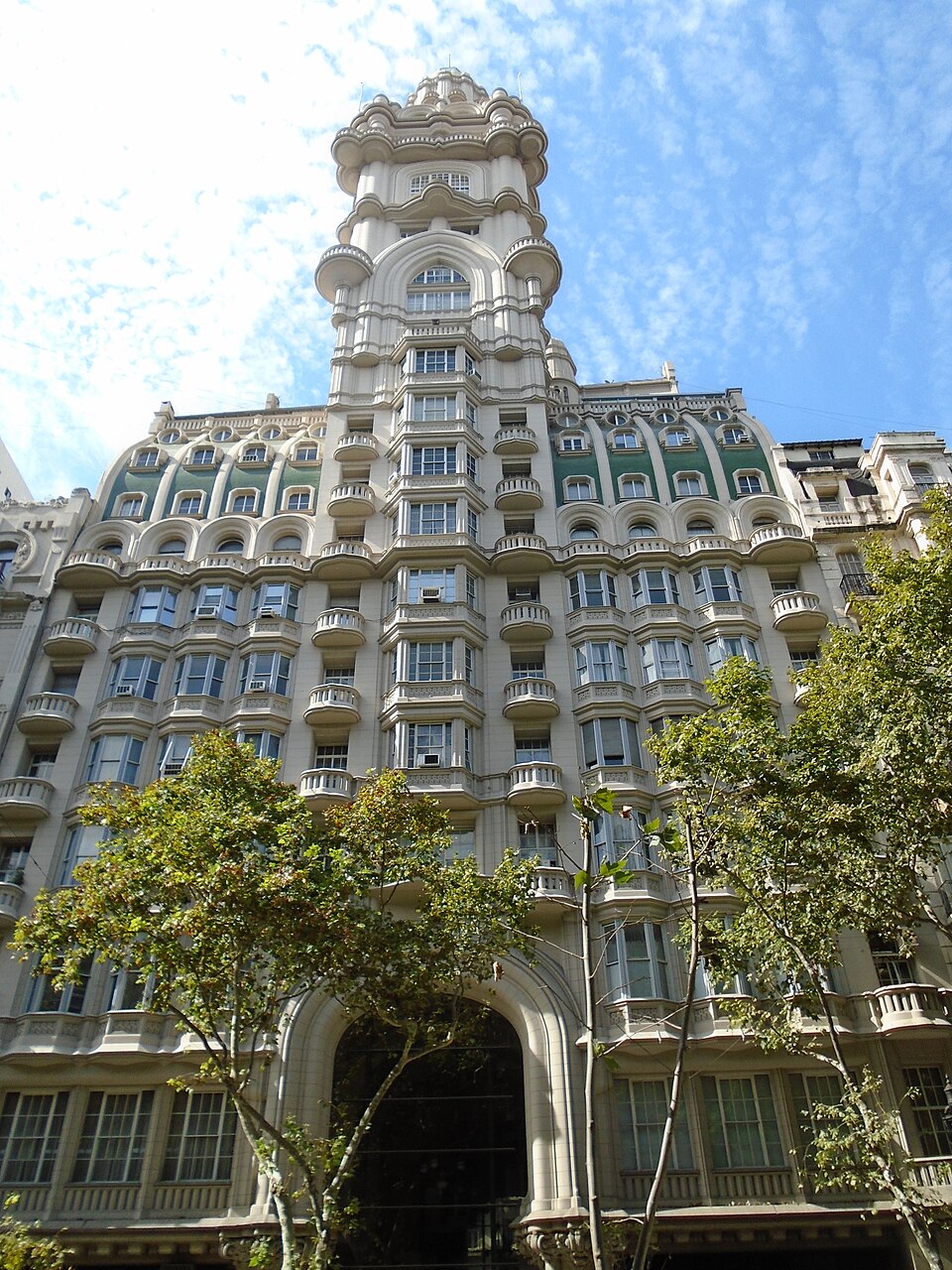
Photo: Eugenio Hansen, OFS · CC BY-SA 4.0 · Wikimedia Commons On Avenida de Mayo stands the Palacio Barolo, an office building that was the tallest in Buenos Aires for more than a decade. It was commissioned by Luis Barolo, an Italian immigrant who made his fortune in knitted fabrics, and designed by the Italian architect Mario Palanti. Palanti so admired Dante that he based the building on the cosmology of the Divine Comedy, dividing its 22 floors into three sections. Its twin brother, the Palacio Salvo, was built by the same architect in Montevideo.