 Sofa VoyageSuomeksi
Dakar
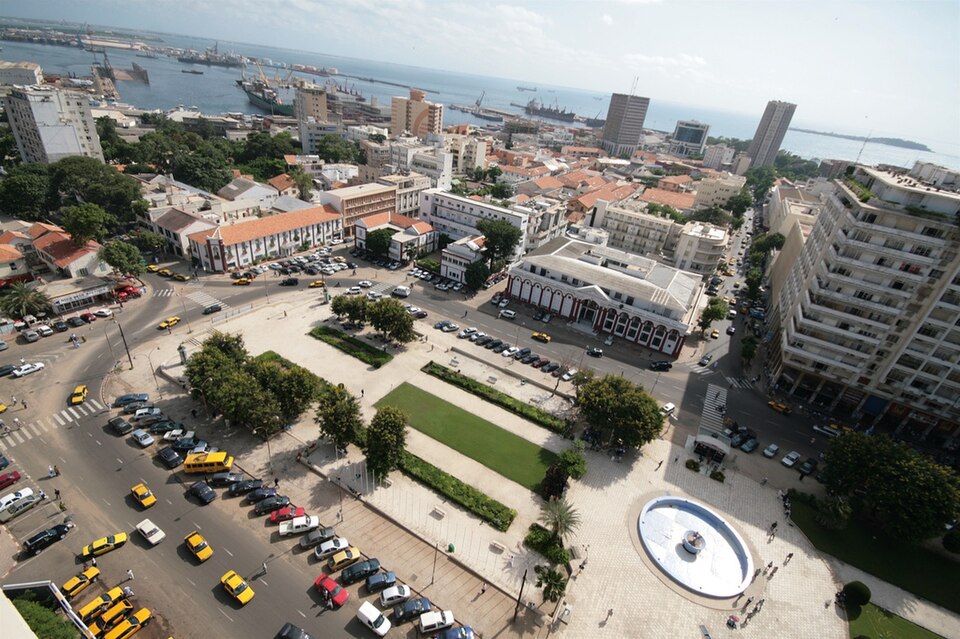
Welcome to Dakar, the capital and largest city of Senegal, home to around 4 million people across its metropolitan area. Dakar lies on the Cap-Vert peninsula, the westernmost point of mainland Africa, looking out over the Atlantic. The Portuguese arrived here in the early 15th century and used the nearby island of Gorée as a base for the Atlantic slave trade. Later, Dakar grew into a major port of the French colonial empire, and in 1902 it became the capital of French West Africa. In 1960 it became the capital of independent Senegal. Let us begin on a hilltop above the ocean.
Sights
African Renaissance Monument
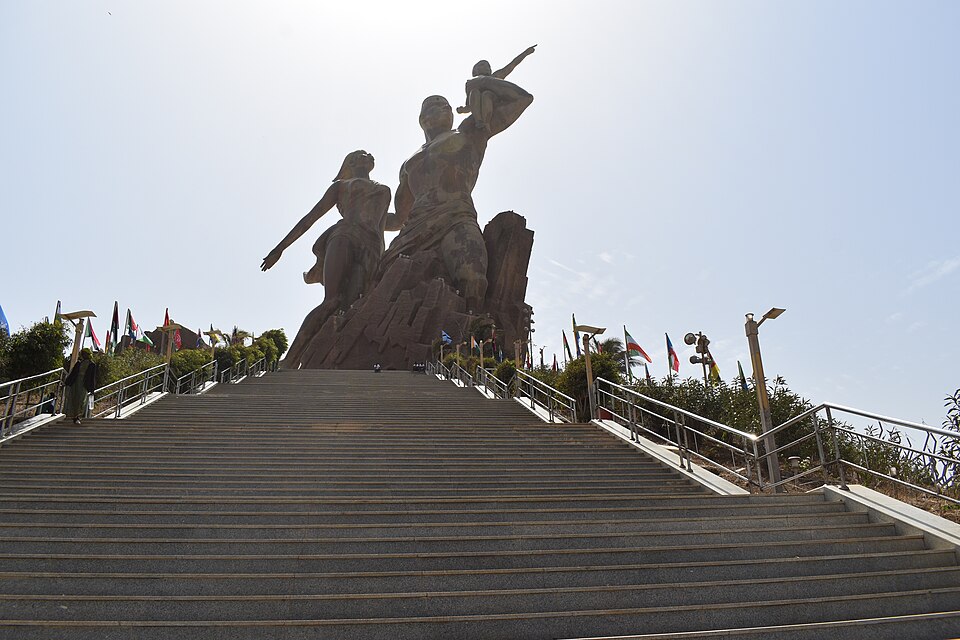
Photo: Tafsir207 · CC BY-SA 4.0 · Wikimedia Commons High on one of the twin hills called the Collines des Mamelles, overlooking the Atlantic, stands the African Renaissance Monument. This bronze statue is 50 metres tall, the tallest statue in Africa, and it rises from a hill that is itself 100 metres high. It was designed by the Senegalese architect Pierre Goudiaby Atepa after an idea of President Abdoulaye Wade, and built by a monument company from North Korea. It was dedicated on 4 April 2010, Senegal's National Day, marking 50 years of independence from France.
Gorée
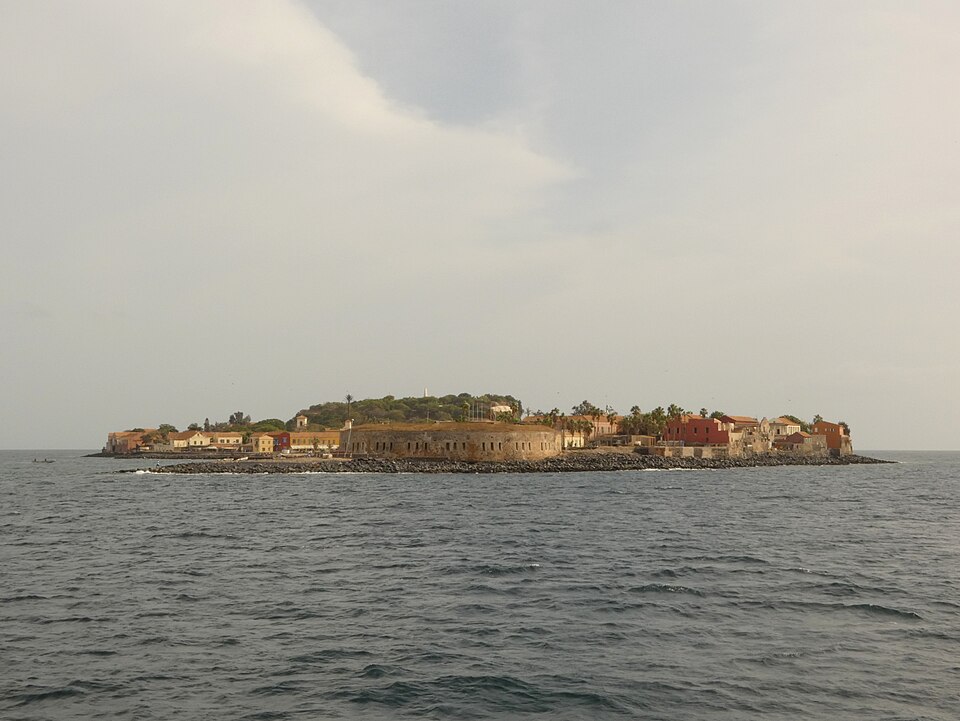
Photo: Gregor Rom · CC BY-SA 4.0 · Wikimedia Commons Two kilometres off Dakar's harbour lies Gorée Island, tiny at just 18 hectares and home to fewer than 2,000 people. It is famous above all as a place of remembrance of the Atlantic slave trade. In 1978 Gorée was among the first 12 places in the world to be named UNESCO World Heritage Sites. Its name has a surprising origin: it comes from the Dutch, who named it Goeree after an island back home. The Portuguese knew it as Palma, or Bezeguiche. It is a place to pause and reflect.
Lake Retba
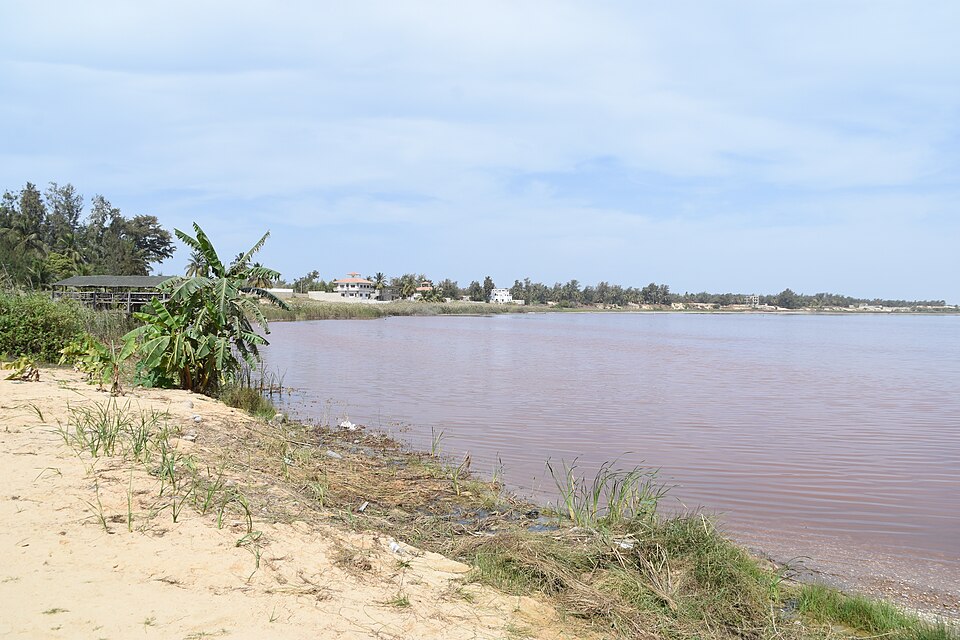
Photo: Jjm2311 · CC BY-SA 4.0 · Wikimedia Commons Some 35 kilometres northeast of Dakar lies Lake Retba, better known as Lac Rose, the Pink Lake. Its waters take their pink colour from Dunaliella salina algae, and the colour is usually strongest from late January to early March, during the dry season. The lake is also extremely salty, up to 40 per cent in some areas, and salt is harvested from its waters. Flooding in 2022 drained much of its colour for a time, but the lake has since regained some of its famous hue.
Grand Mosque of Dakar
In the Dakar médina stands the Grand Mosque, opened in 1964 by King Hassan the Second of Morocco and Senegal's President Léopold Sédar Senghor. Designed by Moroccan and French architects, it is richly decorated inside and out, and in style it resembles the Mausoleum of Mohammed the Fifth in Rabat. Look up at its minaret, which rises 67 metres. Within the mosque's grounds is the Islamic Institute of Dakar, created the same year and devoted to Islamic research and teaching.
Museum of Black Civilisations

Photo: PMO Barbados · Public domain · Wikimedia Commons Here is the Museum of Black Civilisations, a national museum that opened in December 2018. It was conceived to highlight Africa's contribution to the world's cultural and scientific heritage. Its director, the archaeologist Hamady Bocoum, has stressed one fact in particular: that ironworking was discovered in Africa 2,500 years before Christ. The museum was also named among the ultramodern museums in a well-known report on the return of African cultural heritage, submitted to the French president in 2018.