 Sofa VoyageSuomeksi
Harare
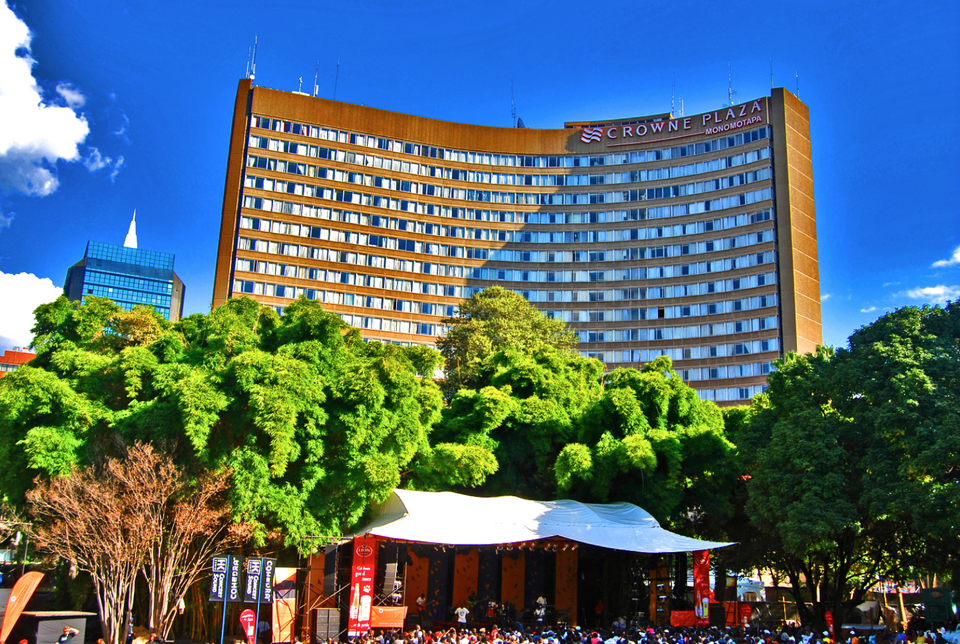
Welcome to Harare, the capital and largest city of Zimbabwe, in the Mashonaland region in the north-east of the country. The city sits on a plateau 1,483 metres above sea level, which gives it a mild subtropical highland climate. It was founded in 1890 as Fort Salisbury, named after the British Prime Minister Lord Salisbury, and kept the name Salisbury until 1982. That year it was renamed Harare, on the second anniversary of Zimbabwe's independence. Harare is the country's commercial capital, and it has hosted the All-Africa Games and matches of the Cricket World Cup. Let us begin our tour.
Sights
National Heroes' Acre
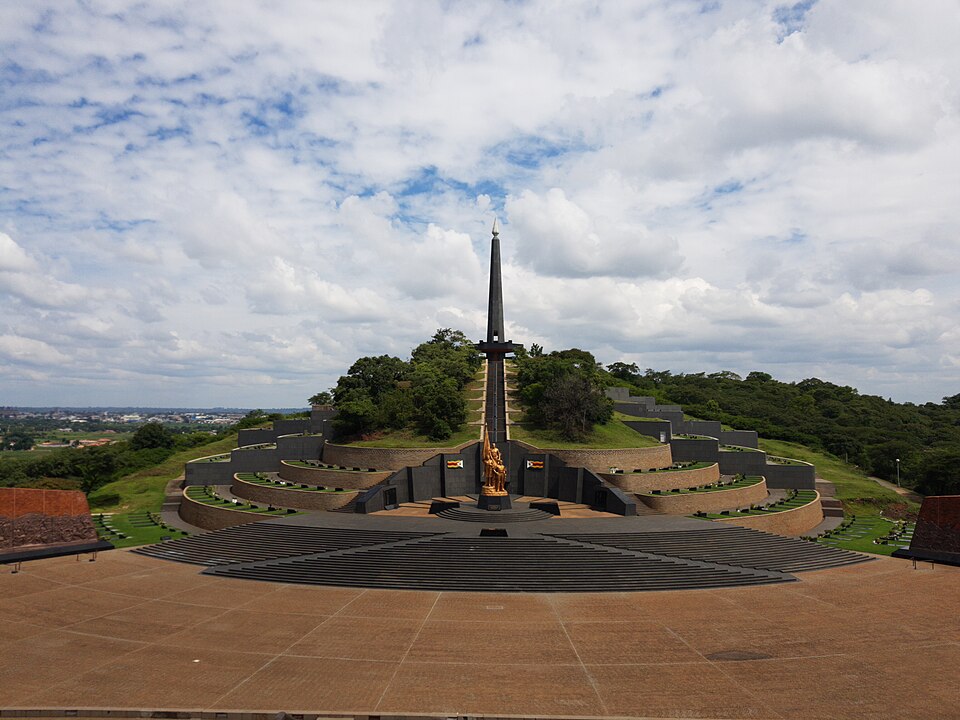
Photo: ilf_ · CC BY-SA 2.0 · Wikimedia Commons On a ridge about seven kilometres from the city lies National Heroes' Acre, a burial ground and national monument covering 23 hectares. It was created to commemorate Patriotic Front guerrillas killed during the Rhodesian Bush War, and Zimbabweans whose dedication to their country is judged to justify burial here. Who receives hero status has been a matter of debate, as most of those honoured were known as supporters of the governing party. Look closely at the design: the monument represents two rifles lying back to back, and the graves are meant to resemble their magazines. It was built by the North Korean firm Mansudae Overseas Projects.
National Gallery of Zimbabwe
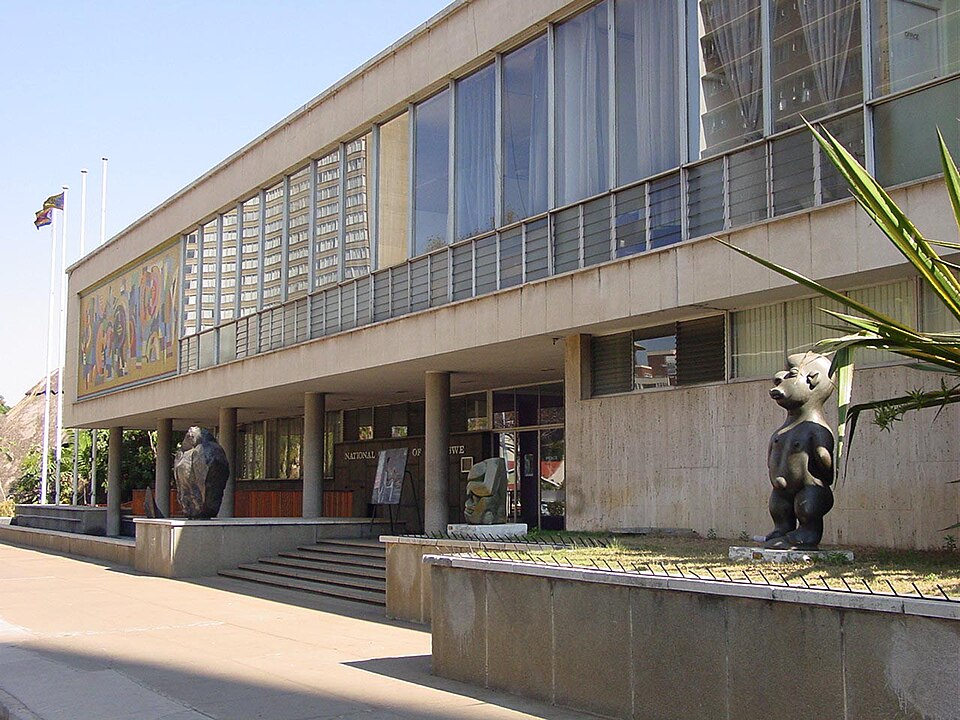
Photo: Awinda · CC BY-SA 3.0 · Wikimedia Commons Step into the National Gallery of Zimbabwe, dedicated to presenting and conserving the country's contemporary art and visual heritage. It began as the National Gallery of Rhodesia, designed and directed by Frank McEwen, a British citizen credited with bringing Shona sculpture into the international spotlight. The gallery was opened by Queen Elizabeth the Queen Mother in 1957. Inside you can see works by Zimbabwean artists in stone, metal and wood, alongside paintings, drawings and installations.
Zimbabwe Museum of Human Sciences

Photo: Rob from United Kingdom · CC BY 2.0 · Wikimedia Commons In Harare's Civic Centre stands the Zimbabwe Museum of Human Sciences, once called the Queen Victoria Museum. It opened in 1903 and was renamed after independence in 1980, focusing on archaeology and anthropology. Alongside its ethnographic collections and wildlife exhibits, it features a model Shona village. Its greatest treasure is the Ngoma Lungundu, a Lemba artefact about seven hundred years old, which is the oldest wooden object ever found in sub-Saharan Africa.
National Botanic Garden
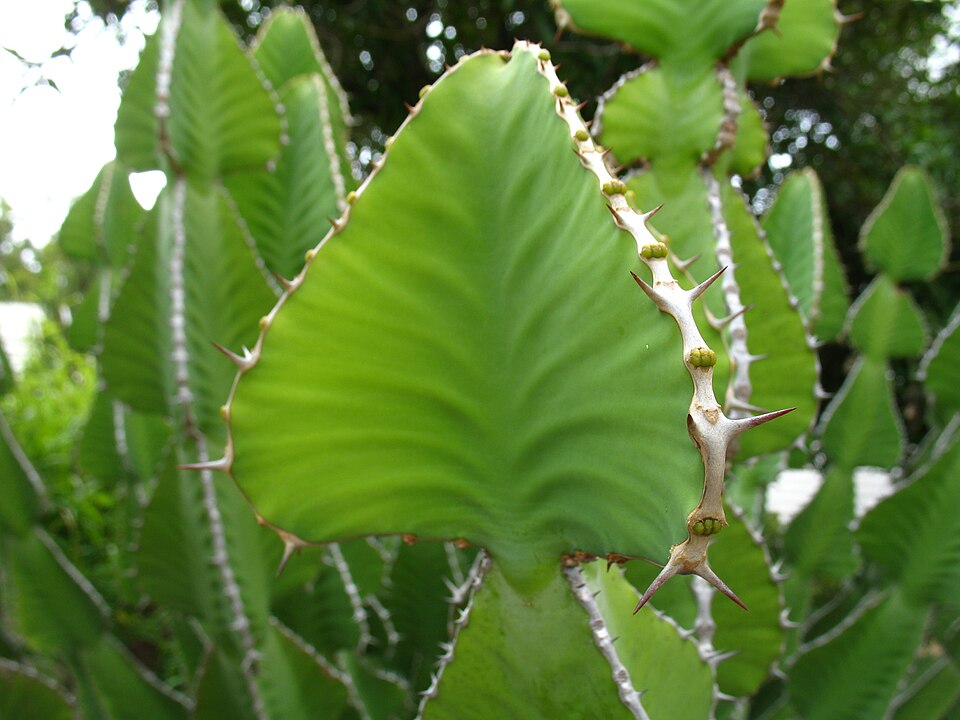
Photo: Steven Haw · CC BY 2.0 · Wikimedia Commons About 4 kilometres north of the city centre, in the suburb of Alexandra Park, spreads the National Botanic Garden of Zimbabwe, covering almost 7 square kilometres. It began as a recreation area in 1902 and became the national botanic garden in 1962. Half of the garden is devoted to plants from Zimbabwe's own woodlands, including most of the 750 species found in the country. Remarkably, it contains 90 percent of the different ecological habitats found in Zimbabwe. Other sections hold rare African plants and exotics from South America, India and Australia, and the National Herbarium is here too.
Mukuvisi Woodlands
Right inside the city lies Mukuvisi Woodlands, a wildlife reserve founded in 1980 and spanning 263 hectares. Follow its trails and climb a viewing platform, and you may spot zebras, giraffes, elands, wildebeest and impalas. The reserve is also home to more than 300 species of birds and over 140 species of trees, making it a green refuge within the capital. It has welcomed school trips and even hosted music festivals.
Lake Chivero
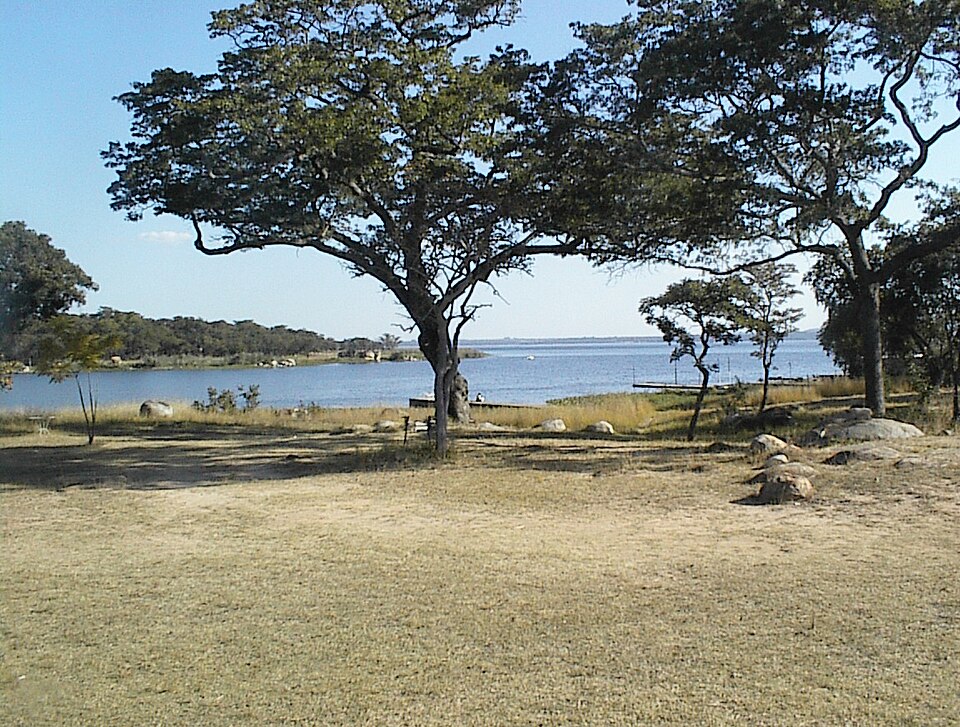
Photo: Gyron · Public domain · Wikimedia Commons Southwest of Harare lies Lake Chivero, once known as Lake McIlwaine, a reservoir on the Manyame River. It is the main source of the city's water. The lake took two and a half years to build, its dam wall is 400 metres long, and it opened to the public in 1952. Its waters are also used for irrigation and commercial fishing, with species such as tigerfish, yellowfish and bream. The lake and its surroundings are protected as a recreational park, and in 2013 it was designated a Ramsar wetland of international importance.