 Sofa VoyageSuomeksi
Khartoum
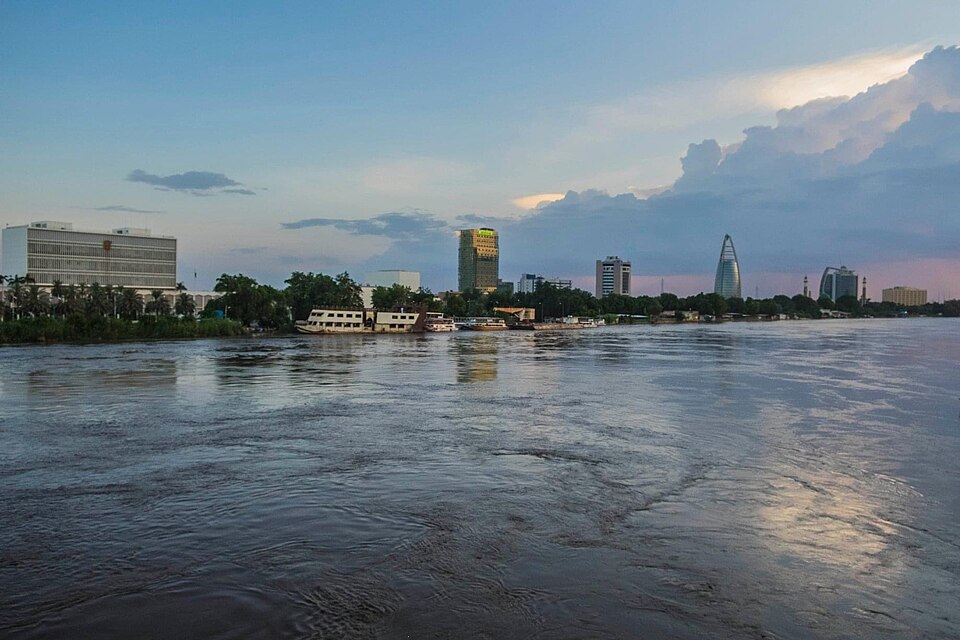
Welcome to Khartoum, the capital of Sudan, set where two great rivers meet. Here the White Nile, flowing north from Lake Victoria, joins the Blue Nile, flowing from Lake Tana in Ethiopia. The meeting point is called al-Mogran, the Confluence, and the rivers divide the metropolis into three towns: Khartoum itself, Khartoum North and Omdurman, linked by bridges. The city was founded in 1821 by Muhammad Ali Pasha, north of the ancient city of Soba, and in 1956 it became the capital of an independent Sudan. The city has also suffered heavily in recent conflicts. Let us explore its riverbanks and history.
Sights
National Museum of Sudan
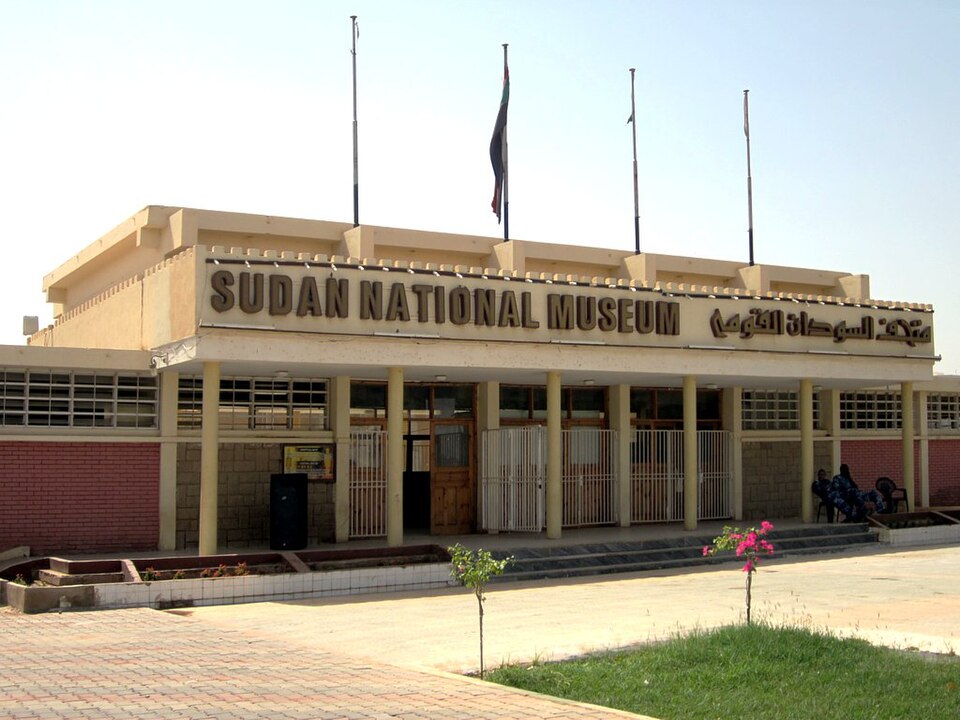
Photo: David Stanley from Nanaimo, Canada · CC BY 2.0 · Wikimedia Commons We begin at the National Museum of Sudan, housed in a two-storey building constructed in 1955 and opened as the national museum in 1971. Before it was damaged during the civil war that began in 2023, it held an estimated 100,000 objects, the largest and most comprehensive Nubian archaeological collection in the world. Its galleries told the story of Sudan from the Paleolithic through the Nubian kingdoms and the Kushite empire to the Christian and Islamic periods. Much of the collection came from monuments relocated during the international campaign to save the monuments of Nubia between 1960 and 1980.
Tuti Island
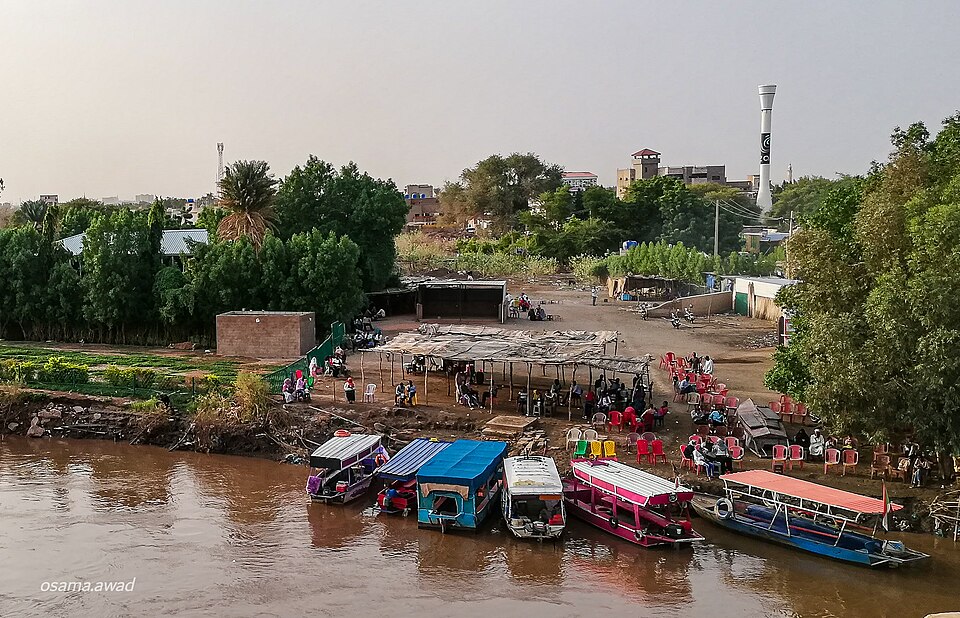
Photo: Osama Elfaki · CC BY-SA 4.0 · Wikimedia Commons Right where the White Nile and Blue Nile merge to form the main Nile lies Tuti Island. Although it is surrounded by the three towns of the capital, the island has only one small village, founded in the late 15th century, and is mostly grassland and farms. Tuti supplies Khartoum with most of its fruit and vegetables, and many farmers still work the land by hand among green fields and lime groves. For centuries the only way across was by ferry, until the Tuti suspension bridge was completed in 2008. The island's residents were badly affected by the recent civil war.
Republican Palace
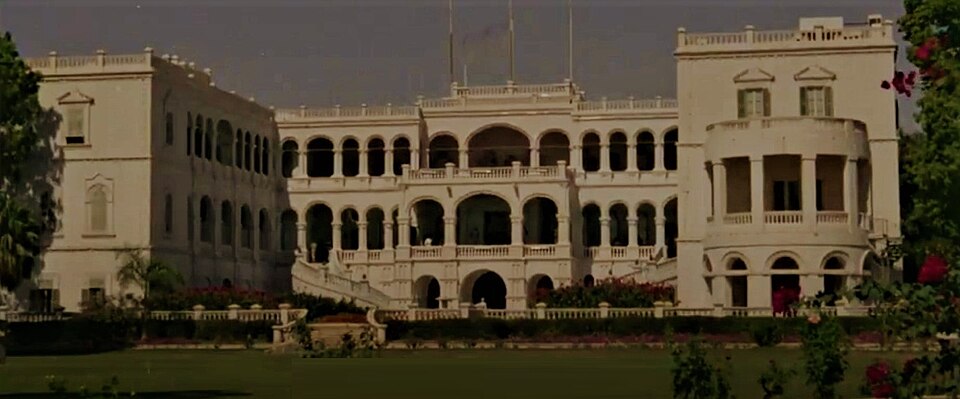
Photo: Andrew H. C. · CC0 · Wikimedia Commons On the southern bank of the Blue Nile, near the confluence, stands the Republican Palace, the official residence and workplace of the President of Sudan. The complex combines the Old Republican Palace, built in 1830, and a new palace from 2015. It is a national symbol, pictured on Sudanese stamps and banknotes. History was made here twice: the old palace was where Charles Gordon was killed by supporters of the Mahdist revolution, and in January 1956 it saw the colonial flags lowered and the flag of the Sudanese Republic raised for the first time.
Republican Palace Museum
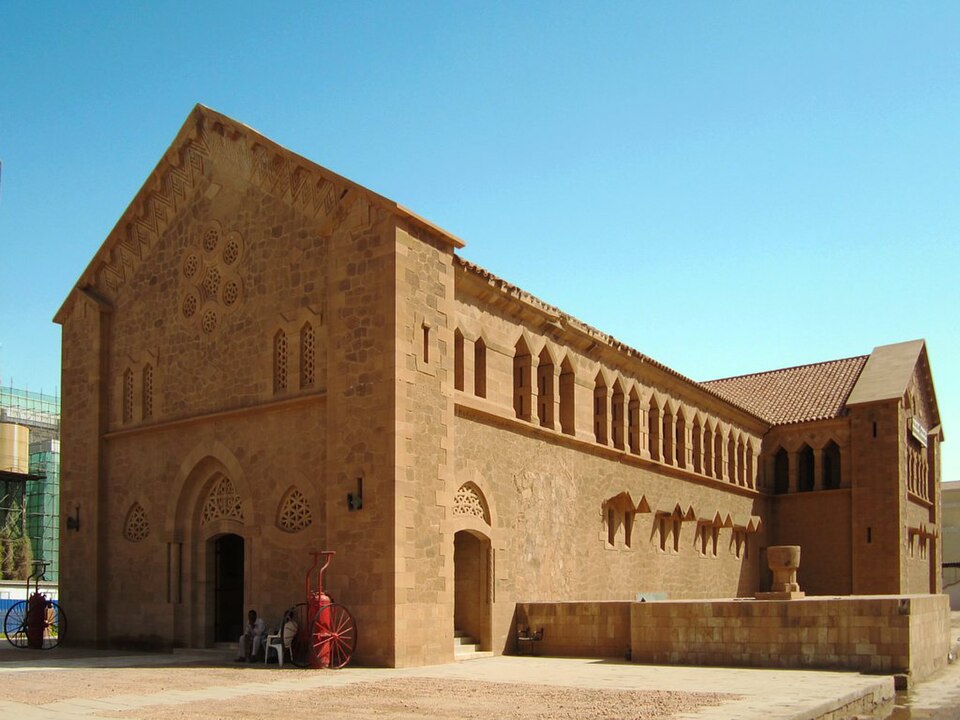
Photo: David Stanley from Nanaimo, Canada · CC BY 2.0 · Wikimedia Commons Behind the palace complex stands the Republican Palace Museum, dedicated to Sudan's political and administrative history. The building itself has a surprising past: it was once All Saints' Cathedral, an Anglican cathedral completed in 1912. The cathedral closed in 1971, and the building was later converted into a museum, opening to the public on 31 December 1999. Most of its collections came from the Republican Palace itself, and its long main hall stretches about 50 metres.
St. Matthew's Cathedral

Photo: Petr Adam Dohnálek · CC BY-SA 3.0 cz · Wikimedia Commons On the banks of the Blue Nile, next to the Mac Nimir Bridge, rises St. Matthew's Cathedral, the seat of the Catholic Archbishop of Khartoum. With its turrets, slender spires and large rose window, it looks rather like a fairy-tale castle. Catholic history here goes back to 1846, and a small church served as the cathedral from 1847. Mahdist troops destroyed it and the missions when they took the city in 1885. After the war ended in 1898, missionary work resumed, and a new cathedral was built as the British constructed modern Khartoum.
Sudan National Botanical Garden
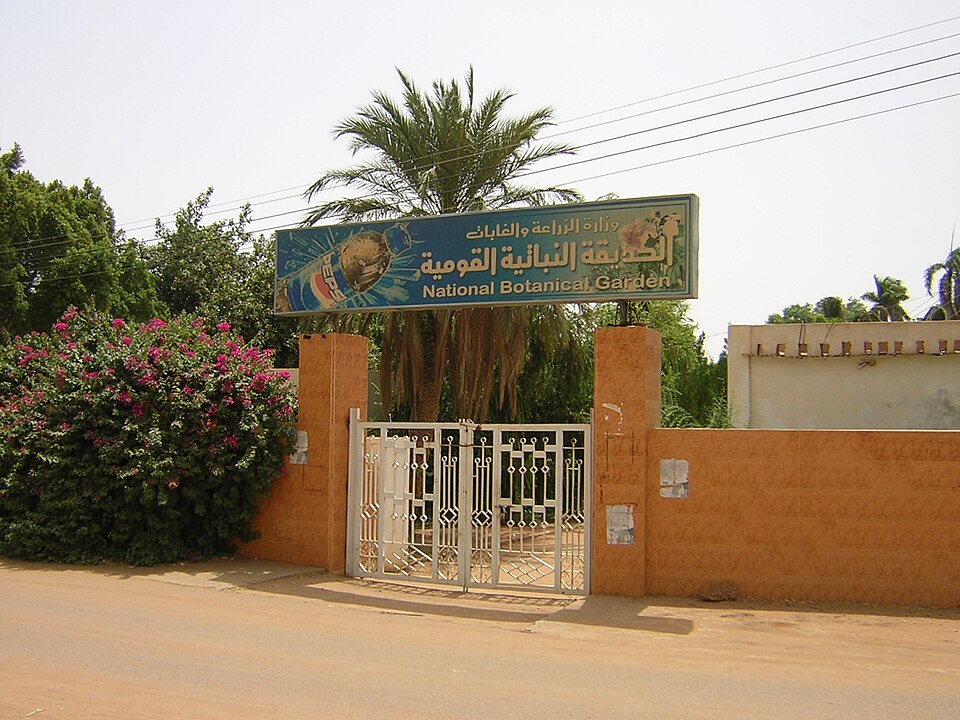
Photo: Petr Adam Dohnálek · CC BY-SA 3.0 cz · Wikimedia Commons We end at the Sudan National Botanical Garden, established in 1954 in the Al Mogran area, right where the White Nile meets the Blue Nile. The garden covers about 11 acres and is listed among the oldest gardens in Africa. Besides its collection of living plants, it keeps a herbarium and works to conserve plant genetic resources, offering researchers, students and hobbyists a living reference of Sudan's plants.