 Sofa VoyageSuomeksi
Kuwait City
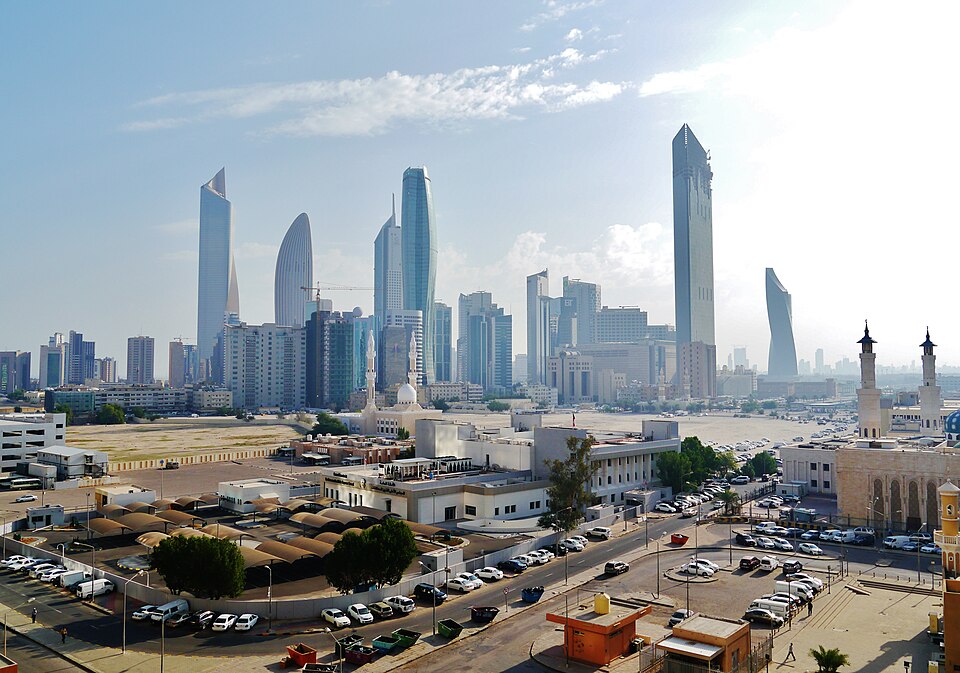
Welcome to Kuwait City, the capital and largest city of Kuwait. It lies at the heart of the country, on the southern shore of Kuwait Bay on the Persian Gulf. This is the political, cultural and economic centre of the emirate, home to the headquarters of most Kuwaiti companies and to the entire banking system. Curiously, the city itself has no administrative status: its urban area stretches into all six of the country's governorates, while in a narrower sense the name refers to the historic core. Let us start our tour.
Sights
Kuwait Towers
On a promontory reaching into the Persian Gulf stand the Kuwait Towers, three slender towers that are a symbol of modern Kuwait. They were officially inaugurated in March 1979. Here is a surprise: they belong to a much larger water tower system of 34 towers, most of which store water. These three were the sixth and last group, and they were built in a style quite different from all the others.
Grand Mosque of Kuwait

Photo: Zairon · CC BY 4.0 · Wikimedia Commons Welcome to the Grand Mosque, the largest mosque in Kuwait. Its main prayer hall is 72 metres wide on every side, with teakwood doors and natural light pouring in through 144 windows. Look up into the dome, 26 metres across and 43 metres high, decorated with the 99 names of God. Up to 10,000 men can pray in the main hall. The mosque was completed in 1986 or 1987, on the day of Eid al-Fitr, and its minaret recalls Andalusian architecture.
Souq Al-Mubarakiya

Photo: Zairon · CC BY 4.0 · Wikimedia Commons Step into Souq Al-Mubarakiya, one of the oldest markets in Kuwait and a centre of trade long before the discovery of oil. It has been here for at least 200 years. Wander past Persian silk carpets, antiques, musk and oud perfumes, gold jewellery, dates, honey and spices. Near the Sea Mosque there is a courtyard with traditional cafés that brew tea over coals. And on hot summer days, a fine water mist is sprayed over the tables to cool visitors down.
Liberation Tower
Rising 372 metres above the city is the Liberation Tower, a telecommunications tower and the second-tallest structure in Kuwait. The tower itself is not open to tourists. Instead, the building complex at its foot houses government offices and a service centre where residents handle all kinds of civil matters, from justice to social security. So this giant of the skyline is, in a sense, a very practical place.
Kuwait National Museum
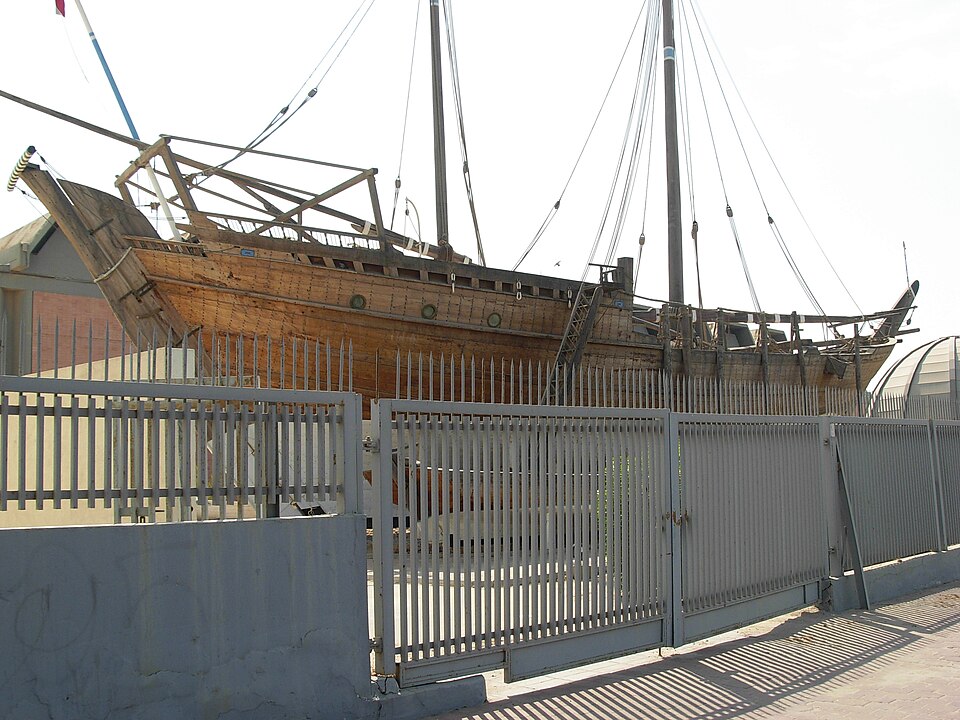
Photo: Noblevmy at Malayalam Wikipedia · CC BY 2.5 · Wikimedia Commons Here is the Kuwait National Museum, established in 1983 and designed by the architect Michel Ecochard. Notice the layout: five buildings set around a central garden, following the plan of a traditional Arab mud house with its central courtyard, and linked by elevated walkways. Ecochard grouped the buildings to reflect knowledge of the region, its geography, history and civilisation. Inside you will find a heritage hall, an archaeology hall, a planetarium and even a traditional dhow.
Kuwait Scientific Center
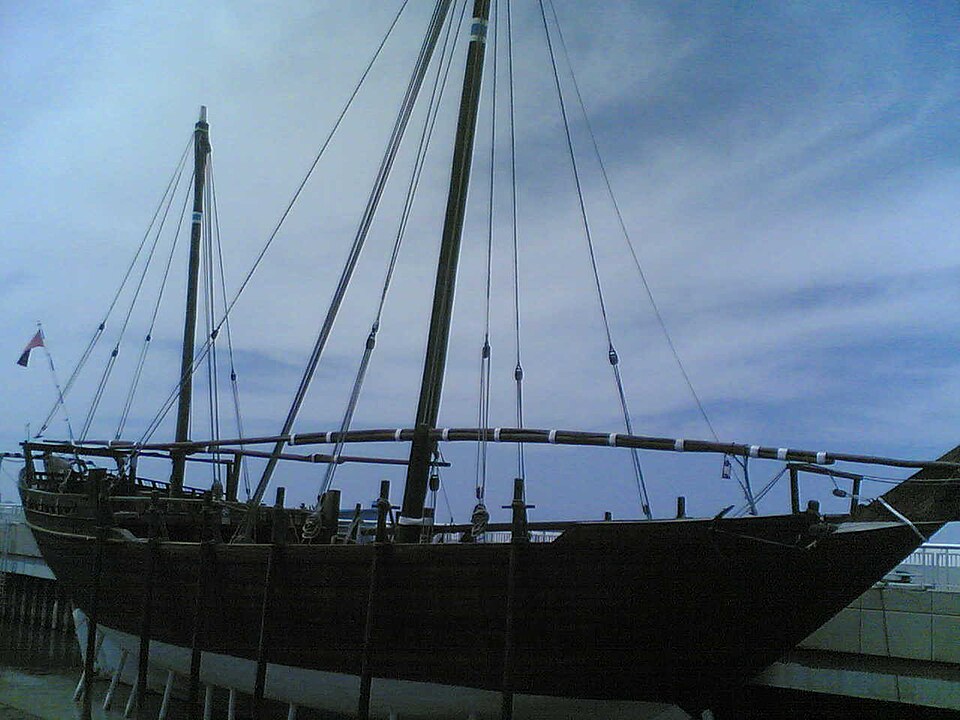
Photo: Ahmadk · CC BY-SA 3.0 · Wikimedia Commons Our last stop is the Scientific Center in Salmiya, a centre for environmental education in the Persian Gulf region. Its building alone covers more than 18,000 square metres. The highlight is a huge aquarium, the largest in the Middle East after Dubai, with more than 100 different species of animals. There is also an IMAX theatre, a hands-on Discovery Place and a harbour of historic dhows to explore.