 Sofa VoyageSuomeksi
London
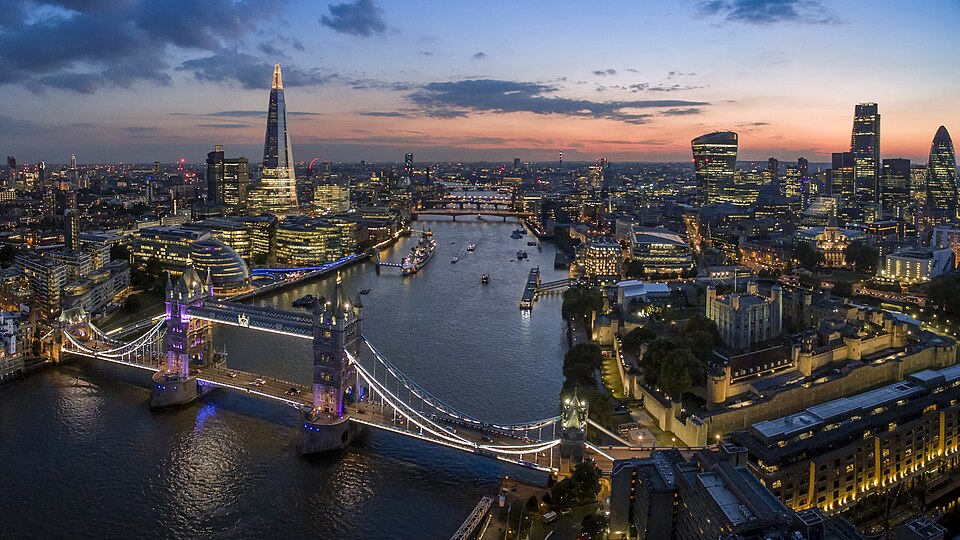
Welcome to London, the capital of England and the United Kingdom, standing on the River Thames in southeast England. It has been a major settlement for nearly 2,000 years. Its ancient core, the City of London, was founded by the Romans as Londinium and still keeps its medieval boundaries, while Westminster, just to the west, has been the seat of government for centuries. In the 19th century London grew into the largest city in the world, and its Underground is the oldest rapid transit system anywhere. More than 300 languages are spoken here. Let us begin beside the river, at Westminster.
Sights
Big Ben
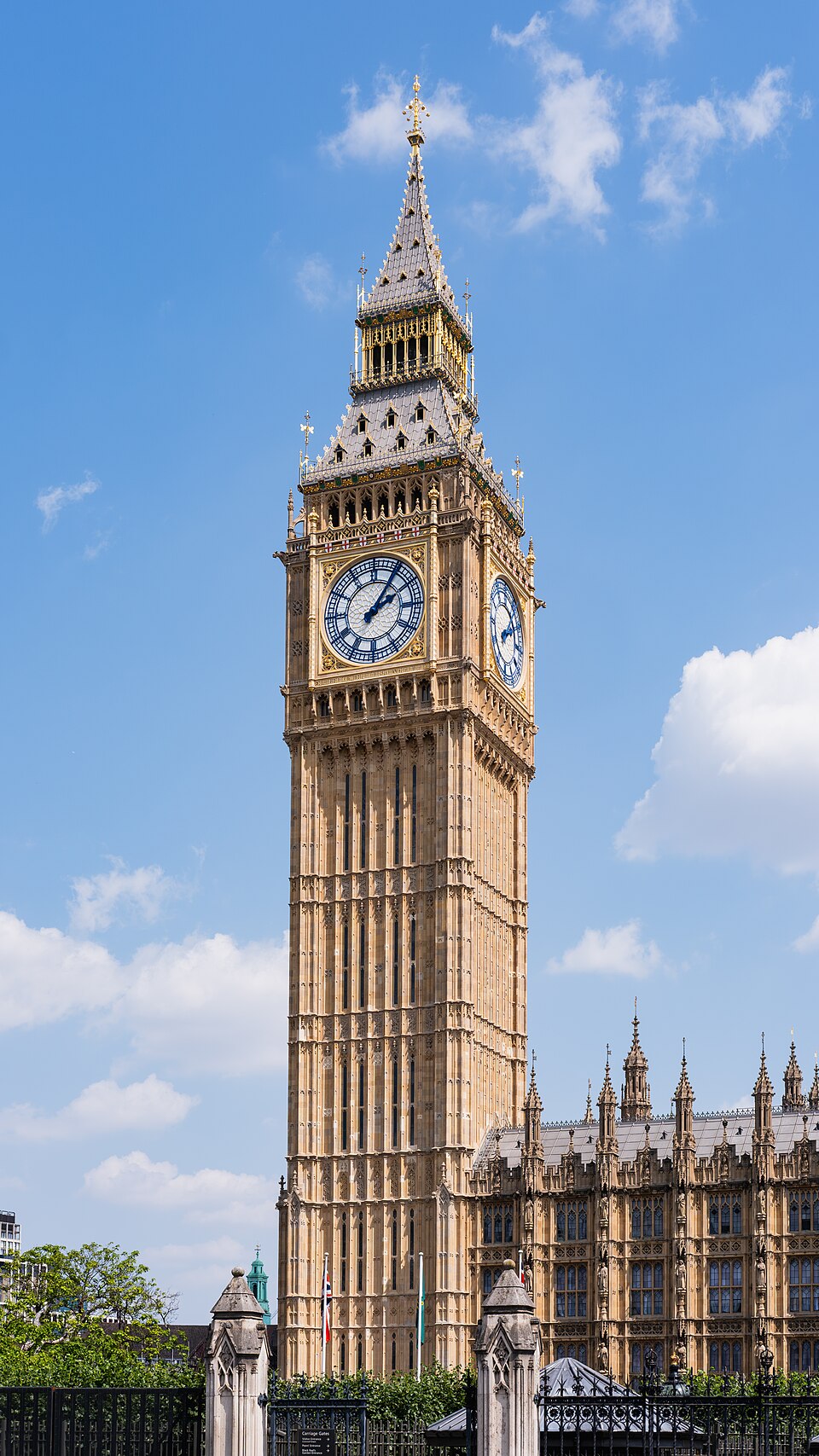
Photo: Christian David · CC BY-SA 4.0 · Wikimedia Commons Listen for the chimes of Big Ben. Strictly speaking, the name belongs to the Great Bell inside the tower, which weighs 13.7 tonnes. It is thought to come from the tall Sir Benjamin Hall, who oversaw its installation. The tower itself, completed in 1859 in the Perpendicular Gothic style, was renamed the Elizabeth Tower in 2012. Reaching the belfry takes 334 steps. The clock still runs on its original mechanism, and it is famous for its reliability: it can be fine-tuned by adding or removing old pennies on the pendulum.
Tower of London
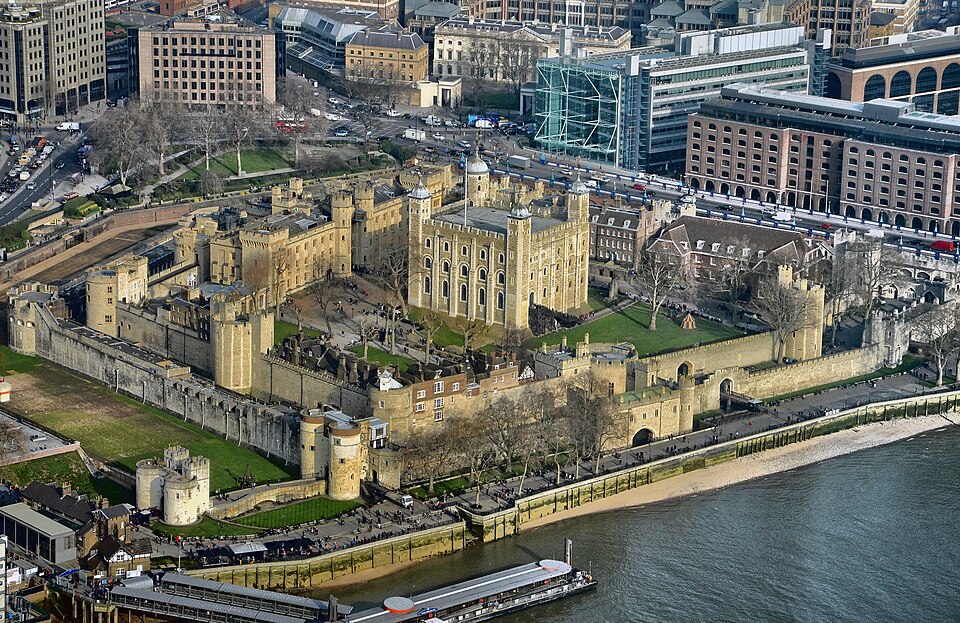
Photo: [Duncan] from Nottingham, UK · CC BY 2.0 · Wikimedia Commons Before you rises the Tower of London, founded toward the end of 1066 as part of the Norman Conquest. Its White Tower was built by William the Conqueror in 1078. Over the centuries the castle has been a royal palace, an armoury, a treasury, a menagerie, the Royal Mint and the home of the Crown Jewels. In the 16th and 17th centuries it held many famous prisoners, including Elizabeth the First before she became queen, giving us the phrase sent to the Tower. Yet despite its grim reputation, only seven people were executed inside the Tower before the 20th century.
Tower Bridge
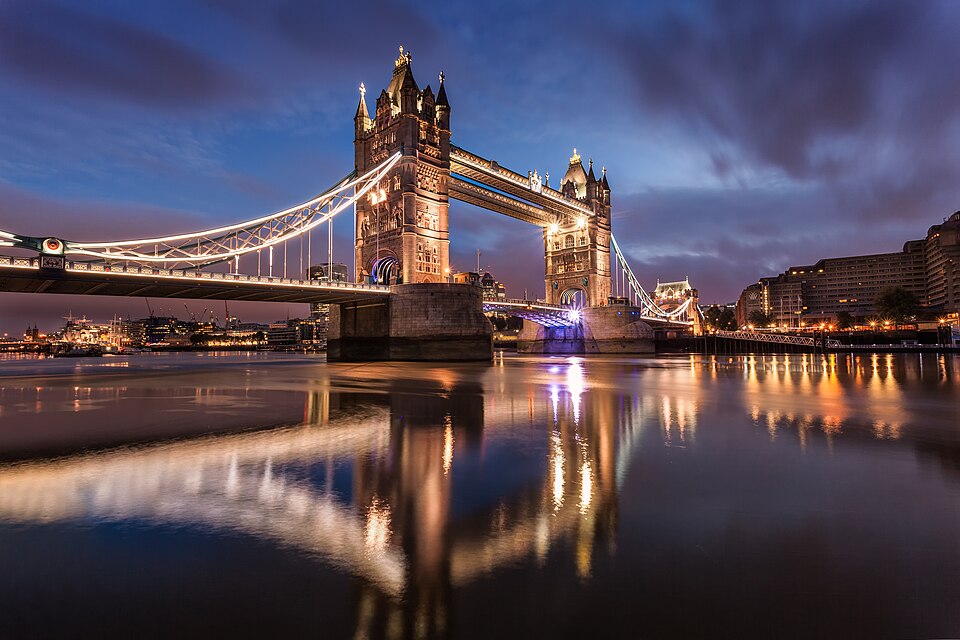
Photo: Fuzzypiggy · CC BY-SA 3.0 · Wikimedia Commons Look downriver to Tower Bridge, with its two great towers joined high above by walkways. It was built between 1886 and 1894 to link the people living east of London Bridge while still letting ships reach the Pool of London. Its central sections, called bascules, lift to let ships pass. They were originally powered by hydraulics, and the Victorian engine rooms can still be visited. Visitors sometimes confuse it with London Bridge, just upstream, which has led to a lasting legend about an American who bought the wrong bridge.
Buckingham Palace
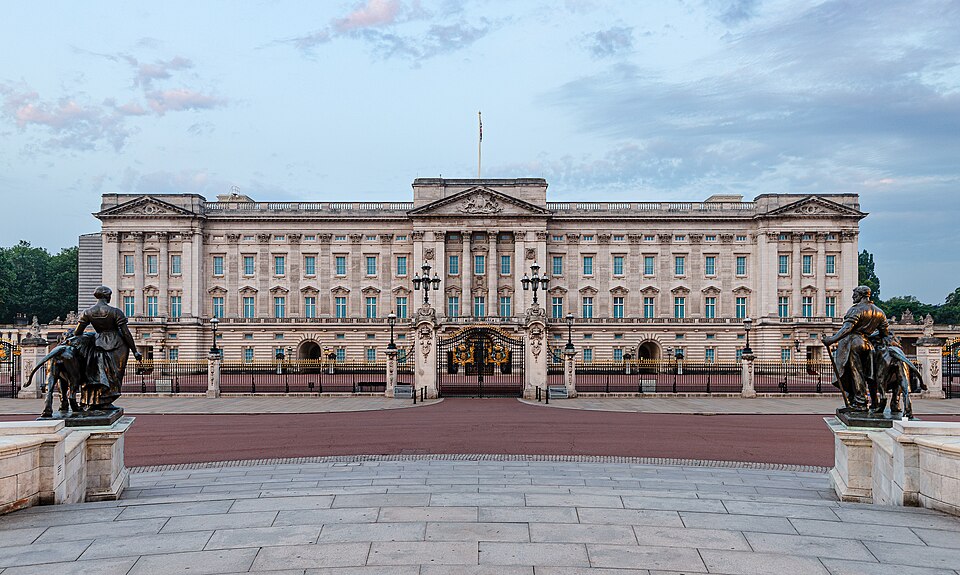
Photo: Julian Herzog ( Website ) · CC BY 4.0 · Wikimedia Commons In front of you stands Buckingham Palace, the official residence and administrative headquarters of the British monarch. At its core is a townhouse built for the Duke of Buckingham in 1703. George the Third bought it in 1761 for Queen Charlotte, and it became the monarch's London residence when Queen Victoria came to the throne in 1837. Look up at the East Front: from its balcony the royal family traditionally greets the crowds. Behind the walls lie 775 rooms and the largest private garden in London.
British Museum
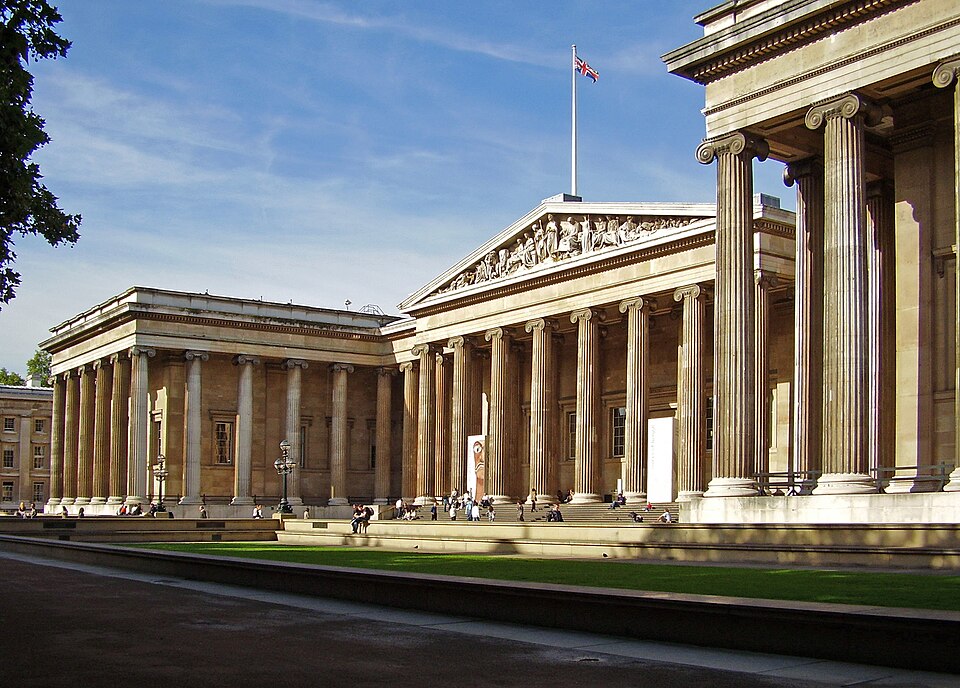
Photo: Ham · CC BY-SA 3.0 · Wikimedia Commons In leafy Bloomsbury stands the British Museum, dedicated to human history, art and culture. Founded in 1753, it was the world's first public national museum, and it opened its doors in 1759. Its collection of eight million artefacts is the largest in the world, and it began with the collections of the physician and scientist Sir Hans Sloane. Some of its most famous treasures, such as the Rosetta Stone and the Elgin Marbles, are the subject of long-running disputes and claims for their return. Like all UK national museums, it is free to enter.
Westminster Abbey
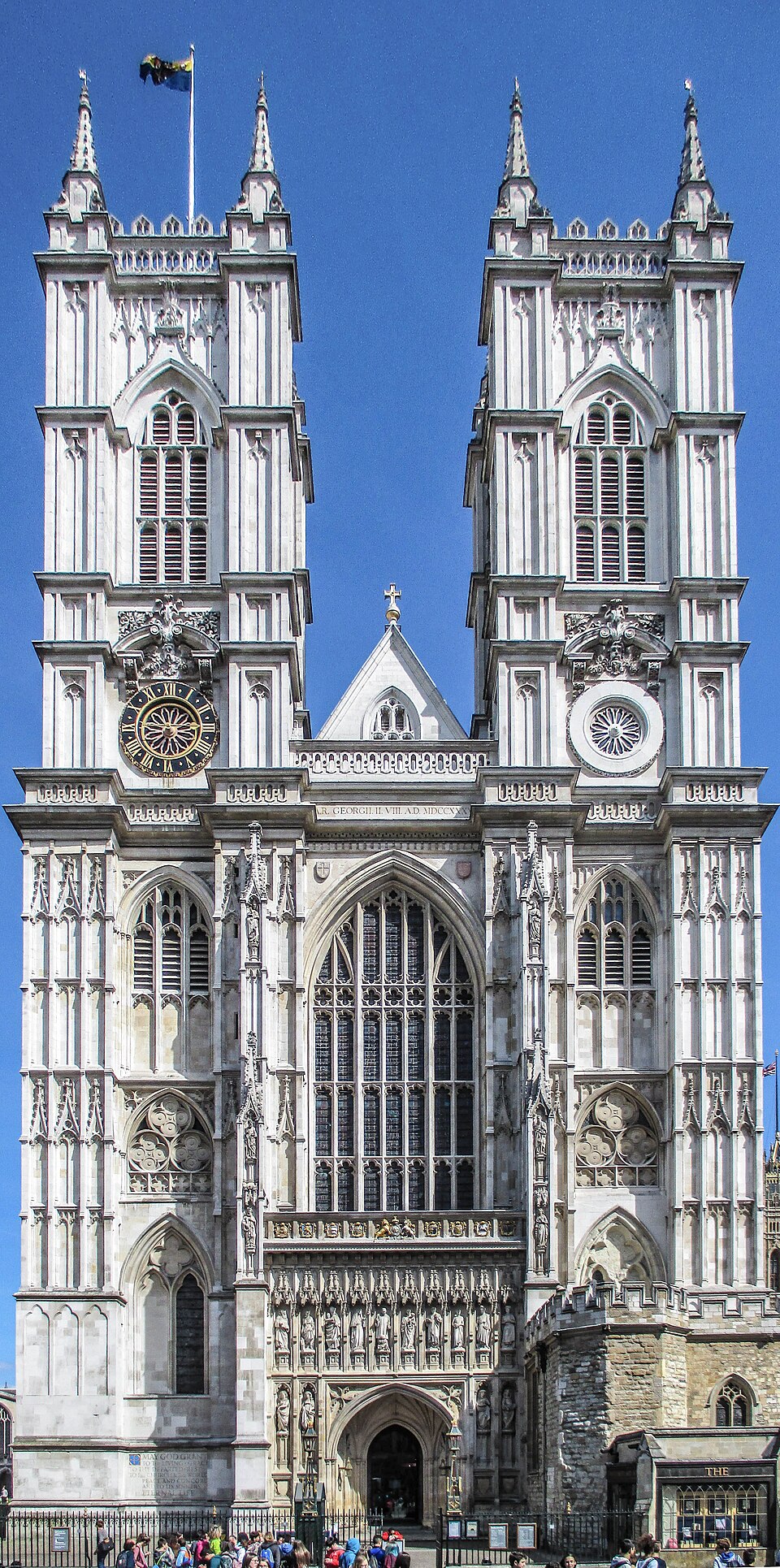
Photo: Antiquary · CC BY 4.0 · Wikimedia Commons Step inside Westminster Abbey, where 40 English and British monarchs have been crowned since 1066. Benedictine monks were here by the mid-10th century, and King Edward the Confessor, who is buried inside, gave it its first large church. The present building was begun in 1245 under Henry the Third. More than 3,300 people rest here, among them monarchs, poets, scientists and the Unknown Warrior, which is why William Morris called it a National Valhalla. Look out for the Henry the Seventh Chapel, once described as the wonder of the world.
London Eye
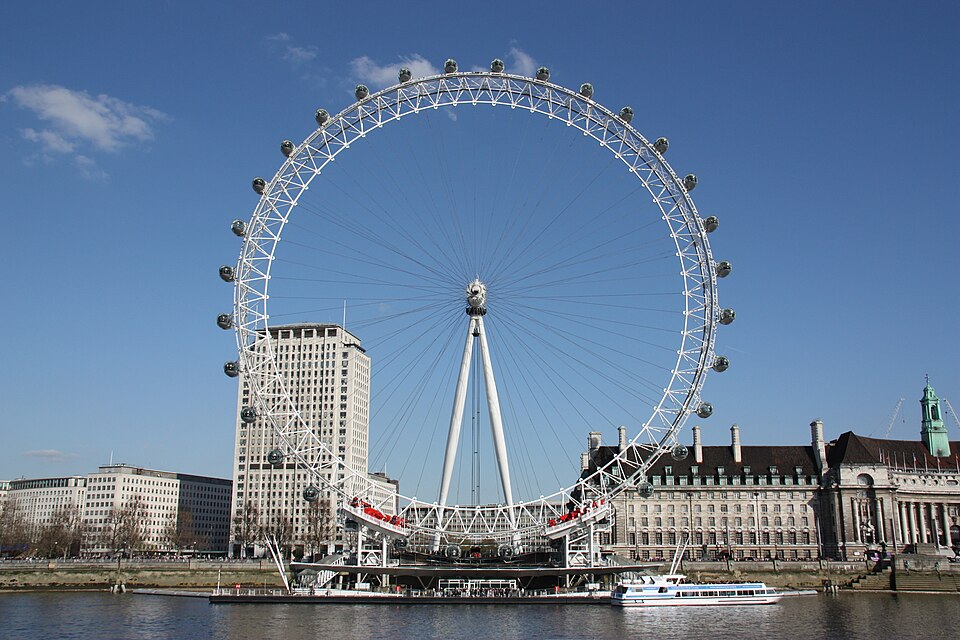
Photo: Khamtran · CC BY-SA 3.0 · Wikimedia Commons On the South Bank of the Thames turns the London Eye, first known as the Millennium Wheel. It opened in 2000, and its wheel measures 120 metres across. What makes it special is how it stands: unlike taller wheels, it is cantilevered, held up by an A-frame on just one side. It is the world's tallest wheel of this kind, and with more than three million visitors a year, it is the most popular paid attraction in the United Kingdom. From the top, all of central London spreads out at your feet.
St Paul's Cathedral
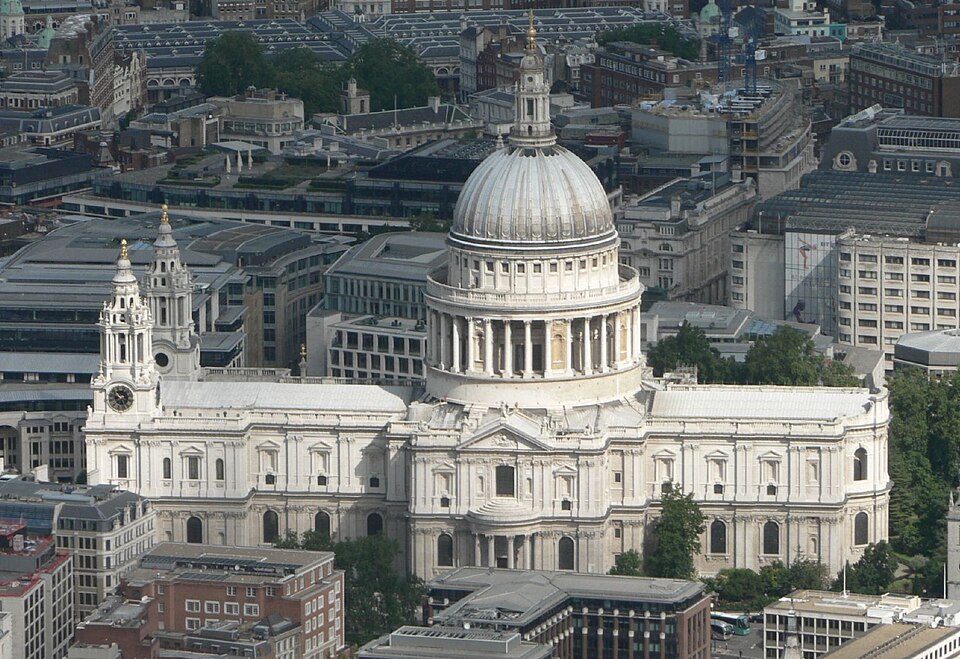
Photo: Mark Fosh · CC BY 2.0 · Wikimedia Commons On Ludgate Hill, the highest point of the City, rises the great dome of St Paul's Cathedral. A cathedral dedicated to Saint Paul has stood here since AD 604. The present building was designed by Sir Christopher Wren in the English Baroque style after the Great Fire of London, and completed in 1710. At 111 metres high, it was London's tallest building until 1963. Its walls have seen the funerals of Lord Nelson, the Duke of Wellington and Winston Churchill, and the wedding of Prince Charles and Lady Diana Spencer.