 Sofa VoyageSuomeksi
Luanda
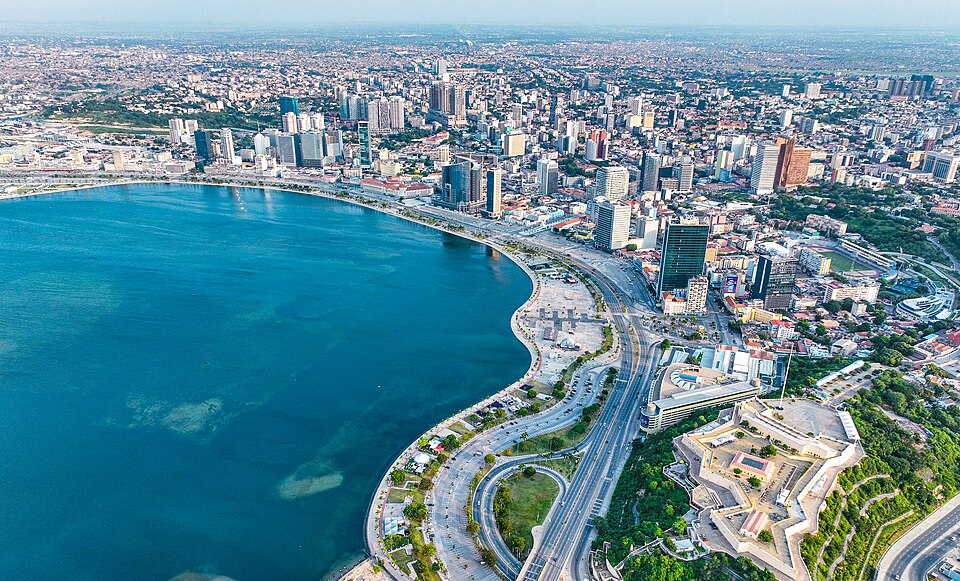
Welcome to Luanda, the capital and largest city of Angola, spread along the country's northern Atlantic coast. It is Angola's chief seaport and its industrial and cultural centre, and together with its metropolitan area it is the most populous Portuguese-speaking capital in the world. Luanda is among the oldest colonial cities in Africa, founded in 1576 by the Portuguese explorer Paulo Dias de Novais as São Paulo da Assunção de Loanda. For a long time it was a centre of the slave trade to Brazil, a dark chapter that still marks several of its monuments. Let us explore the city's forts, churches and shores.
Sights
Fortress of São Miguel
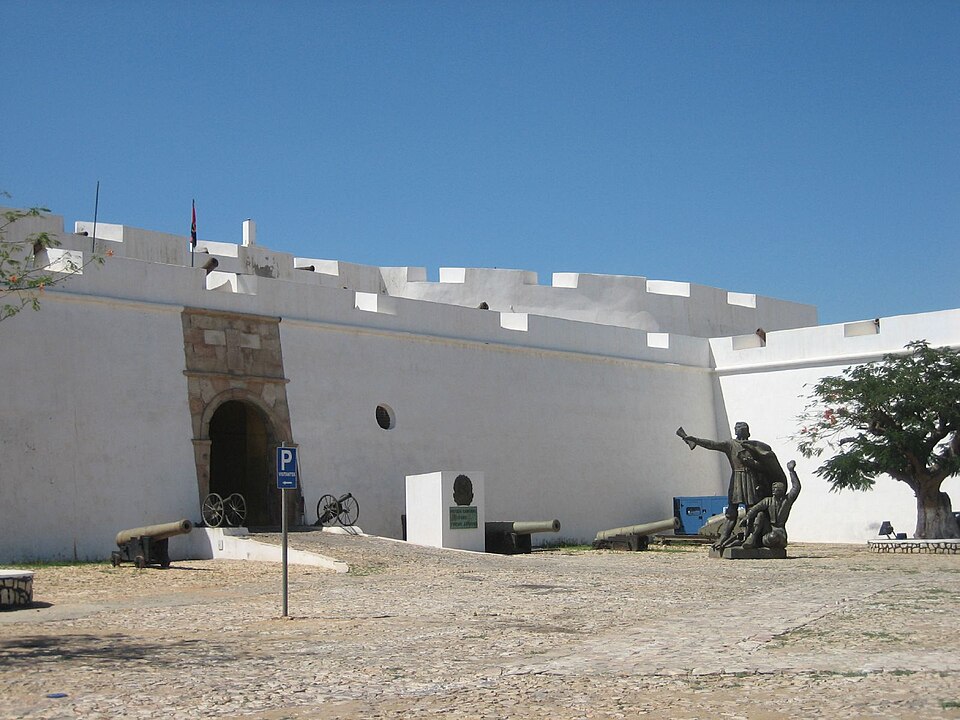
Photo: Erik Cleves Kristensen · CC BY 2.0 · Wikimedia Commons Rising above the city is the Fortress of São Miguel, built in 1576 by Paulo Dias de Novais, the founder of Luanda. In 1627 it became the administrative centre of the colony, and for many years it was a self-contained town behind thick walls bristling with cannons. It was also a major site of the slave traffic to Brazil. During Dutch rule in the 1640s it even carried a Dutch name, Fort Aardenburgh. Step inside and look at the elaborate ceramic tiles, which tell the story of Angola from its early years, while large statues of explorers such as Diogo Cão and Vasco da Gama fill the courtyard.
Mausoleum of António Agostinho Neto
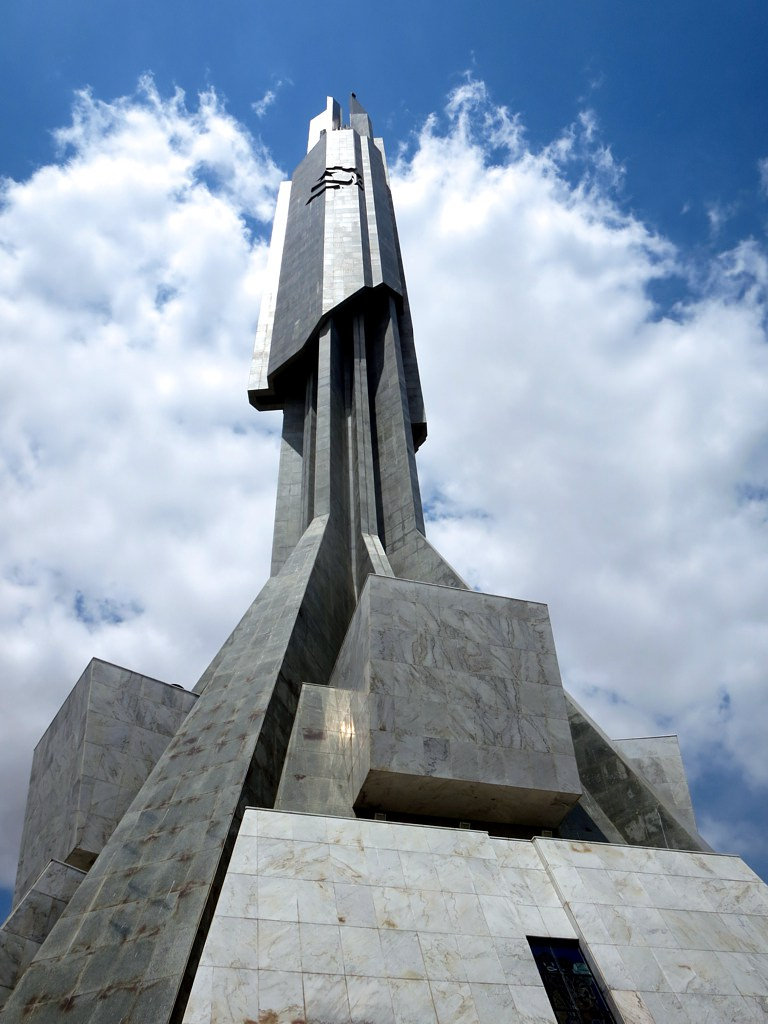
Photo: David Stanley from Nanaimo, Canada · CC BY 2.0 · Wikimedia Commons Look up at the concrete spire of the Mausoleum of António Agostinho Neto, the first president of Angola. Standing 120 metres tall, it is one of the most visible landmarks in the capital. Its brutalist shape has earned it the nickname Foguetão, the Space Rocket, and it was designed as a reference to Neto's poem Pathway to the Stars. The emblem from the Angolan flag, with its machete, cogwheel and star, appears prominently on its side. In the pyramid at its base lies Neto's sarcophagus, his body embalmed by the same organisation that embalmed Vladimir Lenin.
Ilha de Luanda
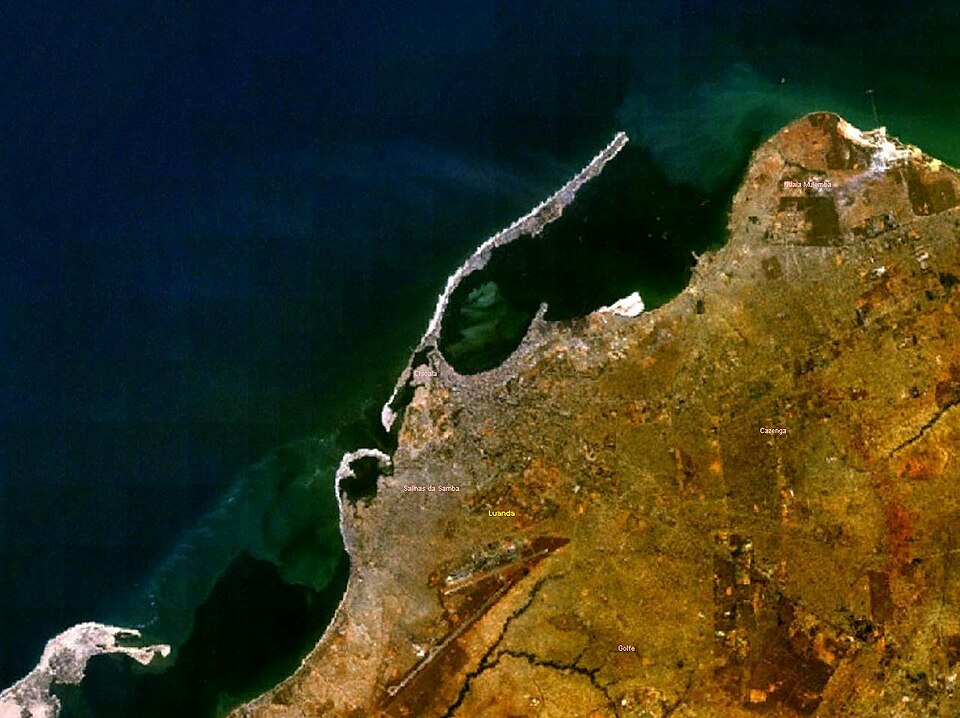
Photo: Photograph: NASA · Public domain · Wikimedia Commons Stretching out from the shore is Ilha de Luanda, the Island of Luanda, which is actually a low, sandy spit formed by sedimentation. When the Portuguese arrived in 1575, it was inhabited by the Axi-lwanda, a subgroup of the Ambundu people. Here is a remarkable detail: this island was an important place for collecting the shells of a small sea snail, known locally as nzimbu, which served as the universal currency of the Kingdom of Kongo and the surrounding region. The name of those island people eventually gave the city its own name, first spelt Loanda and then Luanda.
Palácio de Ferro
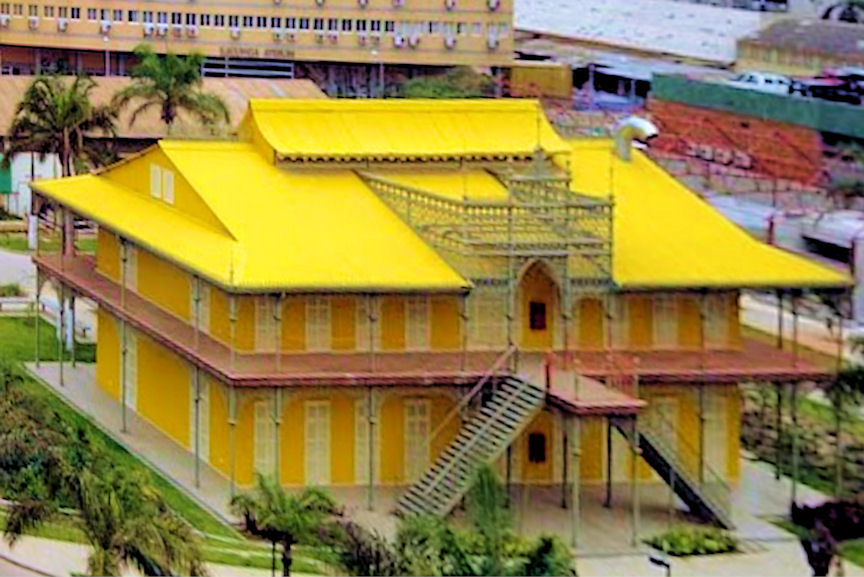
Photo: Zorglub · CC BY-SA 3.0 · Wikimedia Commons Here is the Palácio de Ferro, the Iron Palace, a building wrapped in mystery. It is believed to have been designed by Gustave Eiffel, or by someone associated with him, yet no official record of it exists. According to the story, it was prefabricated in France in the 1890s and destined for Madagascar, but the ship carrying it ran aground on Angola's Skeleton Coast, pushed by the Benguela Current. The Portuguese rulers claimed the ship and everything on board, palace included. In colonial times it was a prestigious art centre, before years of neglect left it rusting.
Church of Our Lady of Remedies

Photo: David Stanley from Nanaimo, Canada · CC BY 2.0 · Wikimedia Commons Before you stands the Church of Our Lady of Remedies, the Catholic cathedral of Luanda and seat of its archbishop. It was built in 1628. In 1716 the headquarters of the Diocese of Angola and Congo moved here from São Salvador of Congo, which in time made this church a cathedral. By 1877 it lay in ruins, and it was restored between 1880 and 1900. That is when it gained the appearance you see now, with three doors and a curved pediment on its facade.