 Sofa VoyageSuomeksi
Monaco
Welcome to Monaco, a sovereign city-state on the French Riviera. France surrounds it on three sides, and the Mediterranean lies to the south. Covering just 2 square kilometres, Monaco is the second smallest country in the world after Vatican City, and the most densely populated. Its coastline, under 4 kilometres long, is the shortest of any country with a sea coast. The House of Grimaldi has ruled here, with brief interruptions, since 1297. Monaco's fortunes changed in the late 19th century, when its first casino and a railway to Paris opened. Let's wander from the Rock down to the harbour.
Sights
Monte Carlo Casino

Photo: Steve Hedin · CC BY-SA 4.0 · Wikimedia Commons Before you stands the Monte Carlo Casino, the gambling and entertainment complex that helped turn Monaco into a playground for the wealthy. Its opening in the late 19th century, together with a railway connection to Paris, set off the principality's economic rise. Under the same roof are the Opéra de Monte-Carlo and the offices of Les Ballets de Monte-Carlo. And here is a surprise: Monaco's own citizens are forbidden to enter the gaming rooms.
Prince's Palace of Monaco

Photo: Nikolai Karaneschev · CC BY 3.0 · Wikimedia Commons On the Rock of Monaco stands the Prince's Palace, official residence of the Sovereign Prince. It began in 1191 as a Genoese fortress, and in 1297 the Grimaldi family captured it. It has been their home for more than seven centuries. While other European rulers were building luxurious Renaissance and Baroque palaces, the Grimaldi had to keep theirs fortified, which makes it one of the most unusual palaces in Europe. With no room for a new palace, they could only add a tower or a wing, so its walls reflect the family's changing fortunes. In 1956 the film star Grace Kelly became its chatelaine.
Oceanographic Museum
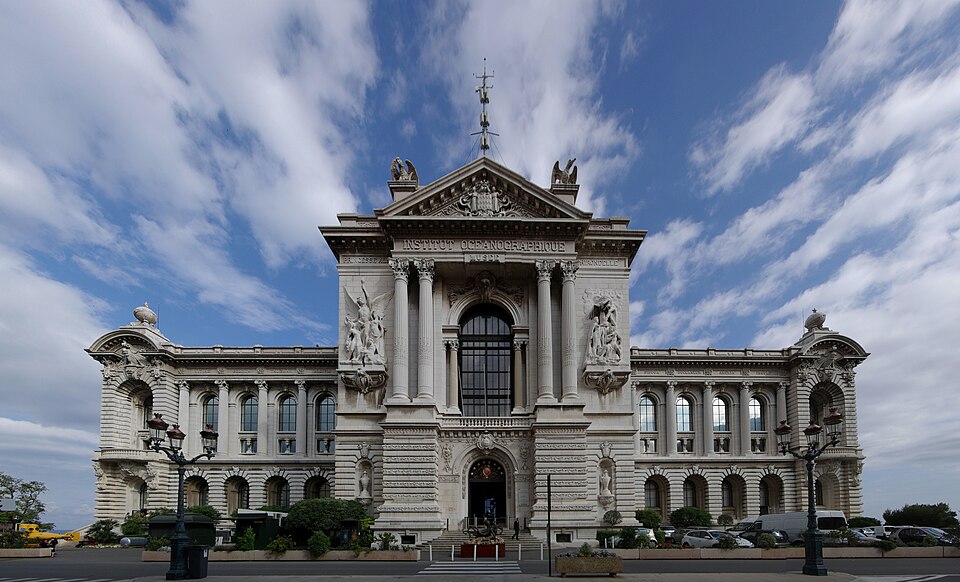
Photo: Berthold Werner · CC BY-SA 3.0 · Wikimedia Commons Perched above the sea, the Oceanographic Museum is devoted to the marine sciences. Prince Albert the First, a modernist reformer, inaugurated it in 1910, inviting not only officials and celebrities but also the world's leading oceanographers. From 1957 to 1988 its director was the famous explorer Jacques-Yves Cousteau. Inside you will meet starfish, seahorses, turtles, jellyfish, rays and sharks, alongside model ships, sea animal skeletons and other treasures of the sea.
Saint Nicholas Cathedral
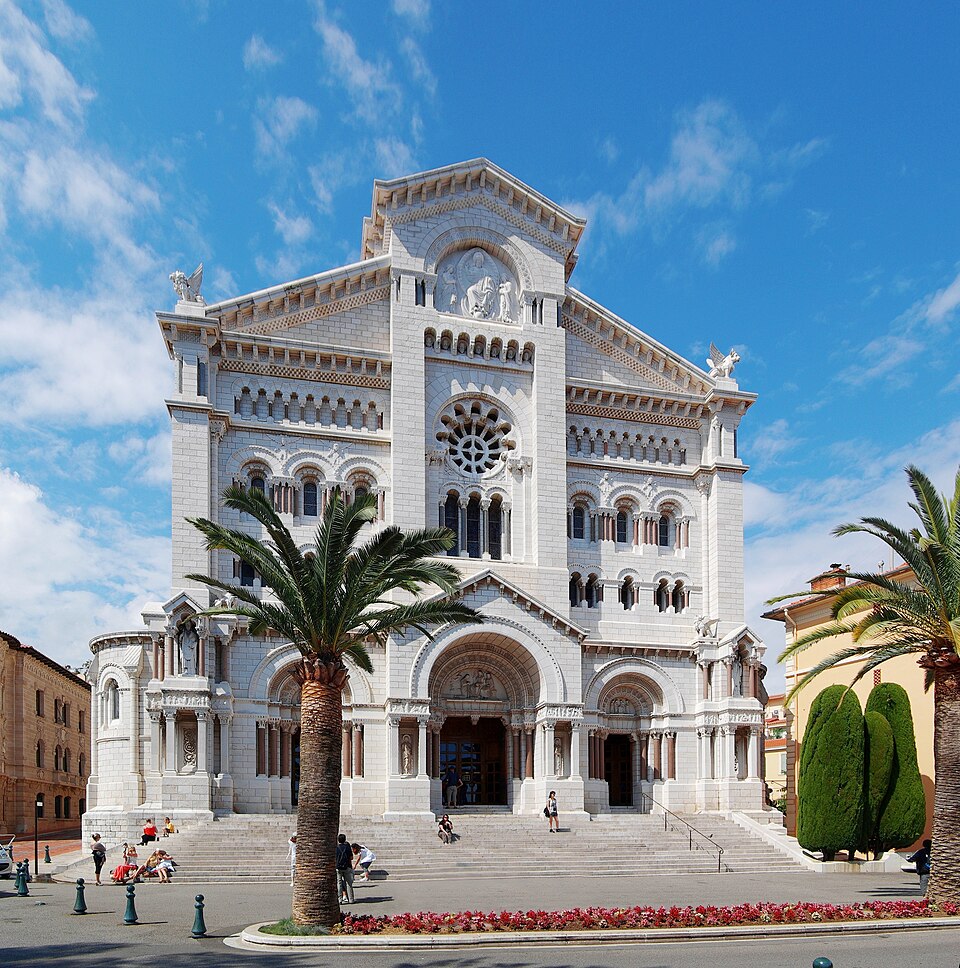
Photo: User:Berthold Werner · CC BY-SA 3.0 · Wikimedia Commons Step inside Monaco's cathedral, dedicated to the Blessed Virgin Mary under the title of the Immaculate Conception. It was built from 1875 to 1903 on the site of Monaco's first parish church, raised in 1252 and dedicated to Saint Nicholas, which is why many still use his name. Look for the altarpiece from around 1500 and the bishop's throne of white Carrara marble. This is also the resting place of many members of the Grimaldi family, among them Prince Rainier the Third and his wife Grace, Princess of Monaco.
Circuit de Monaco

Photo: Will Pittenger · CC BY-SA 3.0 · Wikimedia Commons Imagine the roar of engines on these very streets. The Circuit de Monaco is a street circuit of just over 3 kilometres, winding through Monte Carlo and La Condamine around the harbour. It is so closely tied to its neighbourhood that it is often simply called Monte Carlo. Every spring, the city hosts not one but three race weekends here, including the Formula One Monaco Grand Prix. That race is one of the three victories that make up the Triple Crown of Motorsport.
Port Hercules
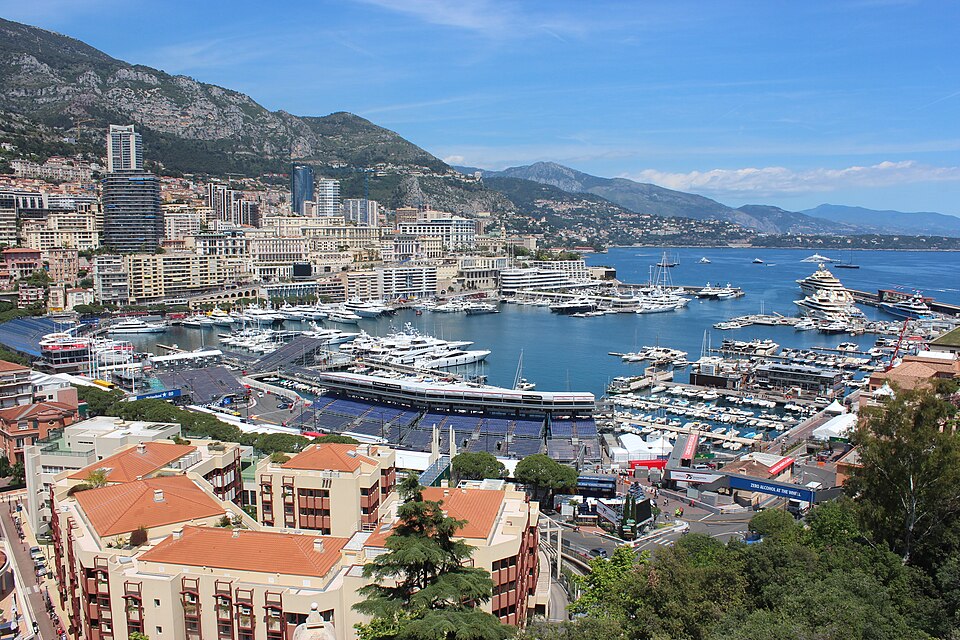
Photo: Uhooep · CC BY-SA 4.0 · Wikimedia Commons Look down at Port Hercules, Monaco's only deep-water port, with room for up to 700 vessels. This harbour has been used since ancient times, and its name reaches back to the 6th century BC, when Greeks from Massalia, modern Marseille, founded a colony here called Mònoikos. The name came from the local worship of the hero Hercules, who was said to have built the ancient path from Spain to Italy. A temple to him once stood on the Rock of Monaco above. The modern port was completed in 1926.