 Sofa VoyageSuomeksi
Sofia
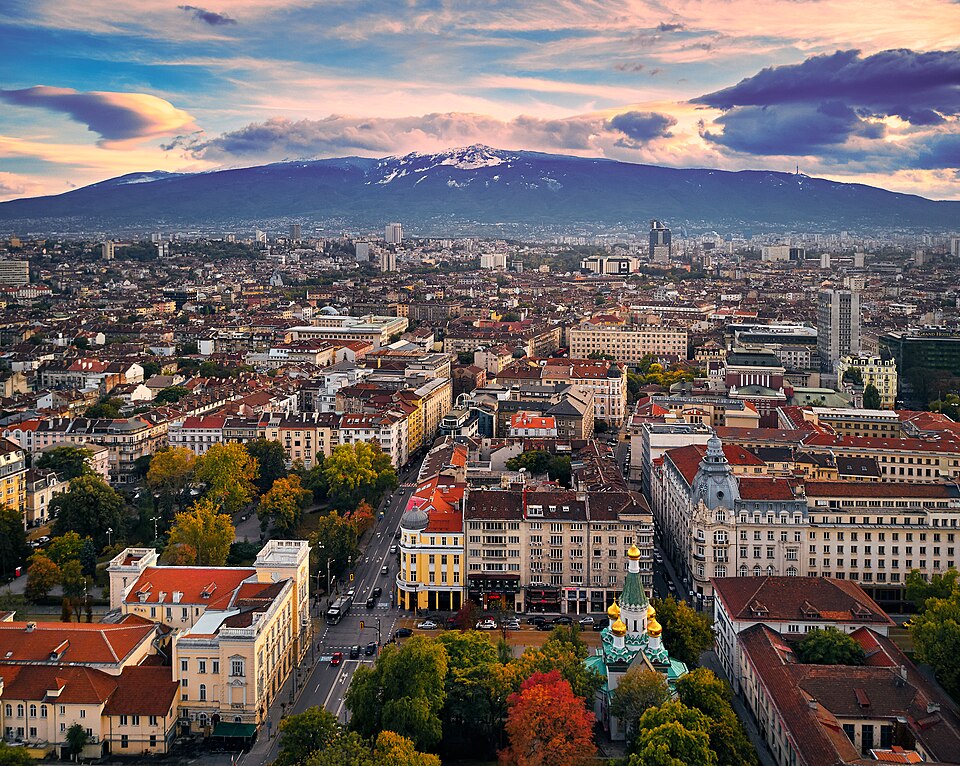
Welcome to Sofia, the capital and largest city of Bulgaria, lying in the Sofia Valley at the foot of Vitosha mountain. In antiquity it was called Serdica, and people have lived here since at least 7000 BC. Romans, Byzantines, Bulgarians and Ottomans all ruled the city, and it became the capital of the Third Bulgarian State in 1879. It is one of Europe's highest capitals and has many mineral springs. Sofia is also called the triangle of religious tolerance, because a church, a mosque and a synagogue stand close together in its centre. Let's set off.
Sights
Alexander Nevsky Cathedral

Photo: Jose Ligero Loarte · CC BY-SA 4.0 · Wikimedia Commons In front of you rises St. Alexander Nevsky Cathedral, built in the Neo-Byzantine style and one of the symbols of Sofia. It is the cathedral church of the Patriarch of Bulgaria and one of the largest Christian church buildings by volume in the world. Step inside the vast space, which can hold 5,000 worshippers. It is among the ten largest Eastern Orthodox church buildings anywhere, and until around the year 2000 it is believed to have been the largest finished Orthodox cathedral.
Boyana Church
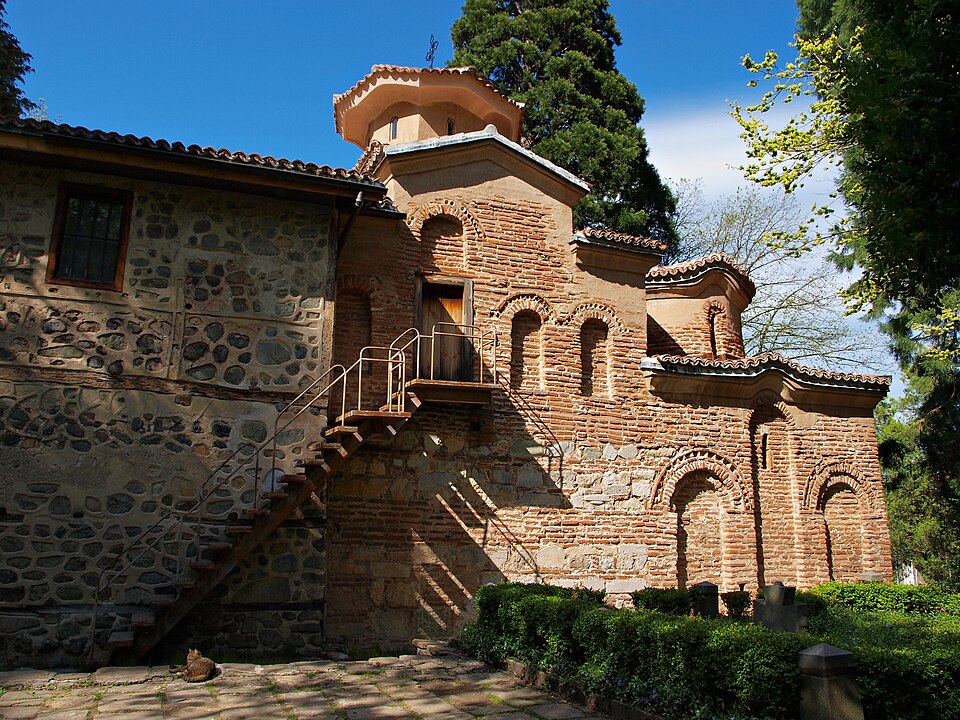
Photo: Todor Bozhinov / Тодор Божинов · CC BY-SA 3.0 · Wikimedia Commons On the outskirts of Sofia, in the Boyana quarter, stands a small medieval church with a remarkable treasure. The Boyana Church was built in three stages. The eastern part dates from the late 10th or early 11th century, the central wing was added in the 13th century by Sebastocrator Kaloyan and his wife Desislava, and the western section in the 19th century. Step inside and look at the walls: 89 painted scenes with 240 human figures surround you. In 1979 it was added to the UNESCO World Heritage List.
Church of St. George
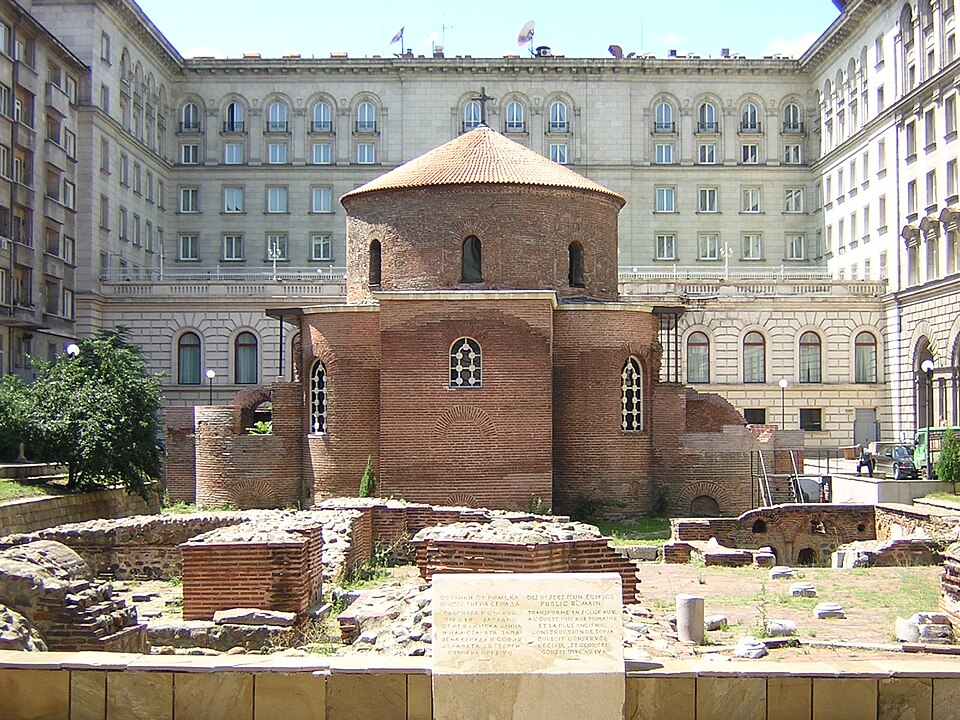
Photo: No machine-readable author provided. Preslav~commonswiki assumed (based on copyr · Public domain · Wikimedia Commons Here stands the Rotunda of Saint George, a red brick building from the early 4th century, considered the oldest building in modern Sofia. It began life as Roman baths, inside the walls of ancient Serdica, and later became a church. Look up into the central dome, where frescoes from the 12th to the 14th centuries show 22 prophets, each over 2 metres tall. During the Ottoman era the building served as a mosque and the frescoes were painted over. They were only uncovered and restored in the 20th century.
Vitosha
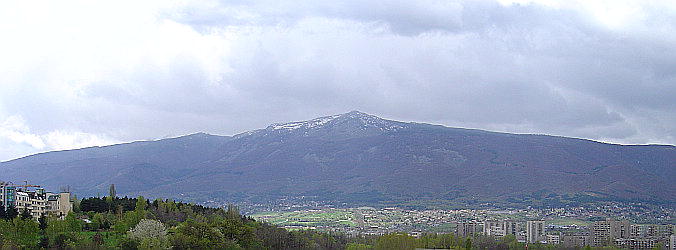
Photo: Vladi Belperchinov-Shabanski ( talk ) ( Uploads ) · CC BY-SA 3.0 · Wikimedia Commons Lift your eyes to Vitosha, the dome-shaped mountain massif on the edge of Sofia, one of the city's symbols. It is the closest place for hiking, climbing and skiing, and its nature park is the oldest in the Balkans. Its highest point, Cherni Vrah, the Black Peak, reaches 2,290 metres. Look out for the Golden Bridges, a stone river of huge boulders running down the mountainside, once the moraines of ancient glaciers. And hidden in Vitosha is Duhlata, the longest cave in Bulgaria.
National Palace of Culture

Photo: Deensel · CC BY 2.0 · Wikimedia Commons Before you stands the National Palace of Culture, known as NDK, a huge conference and cultural centre. It opened on 31 March 1981 to celebrate the 1300th anniversary of the Bulgarian state. The idea came from Lyudmila Zhivkova, daughter of the communist leader Todor Zhivkov. Step inside and you will see a unified style of geometric motifs, dark colours, murals, mosaics and woodcarvings by Bulgarian artists. Spread over eight floors and three underground levels, it is also home to the Sofia International Film Festival.
Rila Monastery
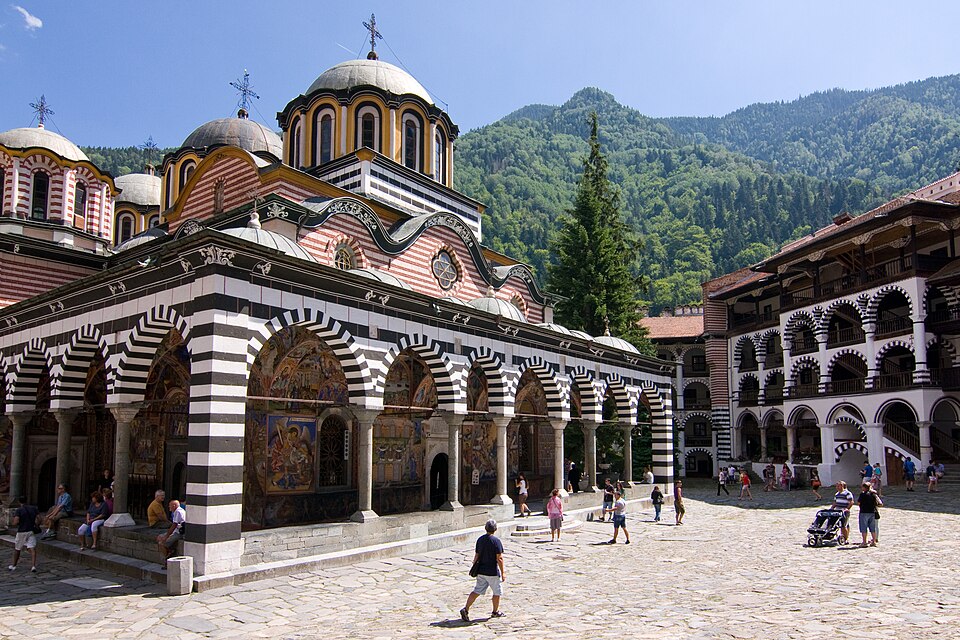
Photo: Raggatt2000 · CC BY-SA 3.0 · Wikimedia Commons Deep in a valley of the Rila Mountains, 117 kilometres south of Sofia, lies Rila Monastery, the largest and most famous Eastern Orthodox monastery in Bulgaria. It was founded in the 10th century and is named after its founder, the hermit Saint Ivan of Rila. It is regarded as one of the country's most important cultural, historical and architectural monuments, and it remains a beloved pilgrimage site for Orthodox Christians. Please be respectful as you explore this sacred place, high in the mountains at over 1,100 metres.