 Sofa VoyageSuomeksi
Tehran

Welcome to Tehran, the capital and largest city of Iran, and the most populous city in West Asia, with around 9 million people in the city itself. In antiquity part of this area was occupied by Rhages, a prominent Iranian city, now absorbed as Rey into Greater Tehran. Tehran was first chosen as the capital in 1786 by Agha Mohammad Khan of the Qajar dynasty, and remarkably it was the 51st capital in Iran's long history. Under Reza Shah the city saw the country's first bank, railway line and museum. It has been called a cultural melting pot. Let us start with its royal heart.
Sights
Golestan Palace

Photo: ZarlokX · CC BY-SA 4.0 · Wikimedia Commons Welcome to the Golestan Palace, the former royal complex of the Qajar dynasty and one of the oldest historic monuments in the capital. It is a UNESCO World Heritage Site made up of eight palatial buildings within a wall, once enclosed by the defensive walls of Tehran's citadel. Most of what you see dates from the 19th century, and the halls now serve mainly as museums of Iranian and European crafts and royal gifts. The story of the citadel reaches back to 1404, when a Castilian envoy on his way to meet Timur stayed in the house of a Tehran elder believed to have stood on this very spot.
Azadi Tower
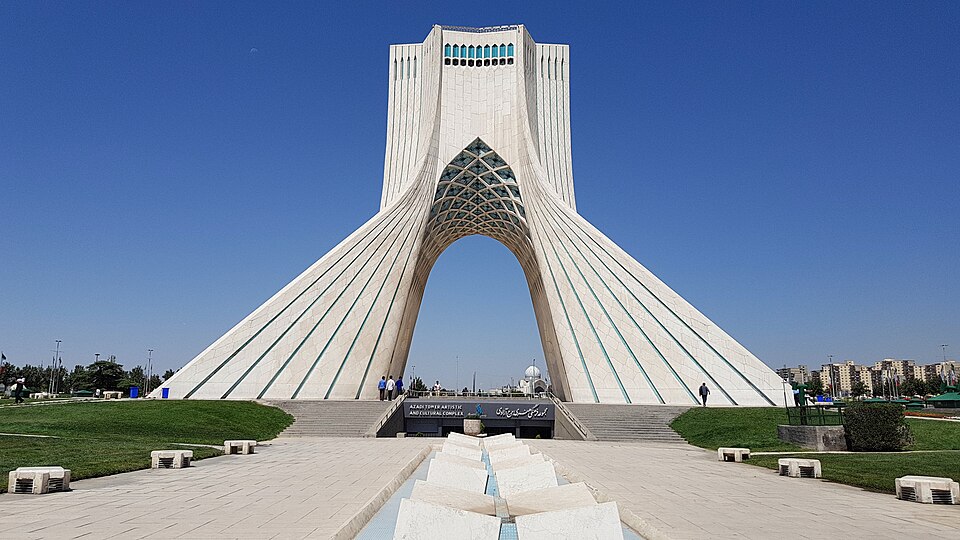
Photo: Blondinrikard Fröberg from Göteborg, Sweden · CC BY 2.0 · Wikimedia Commons Before you rises the Azadi Tower, the Freedom Tower, which once marked the westernmost entrance to Tehran. Formerly called the Shahyad Tower, it was commissioned by Mohammad Reza Pahlavi, the last Shah of Iran, to mark 2,500 years of the Persian Empire, and was completed in 1971. The architect Hossein Amanat won a competition to design it, drawing on Iran's classical and post-classical architecture. The tower is about 45 metres tall and completely clad in cut marble, and beneath it lies an underground museum.
Milad Tower
Look up at the Milad Tower, the Birth Tower, the tallest tower in Iran. It stands 435 metres from its base to the tip of its antenna, and building it took about 11 years and 7 months. High above the city, its head is a huge pod with 12 floors, its roof at 315 metres. The tower belongs to the International Trade and Convention Centre of Tehran, alongside a hotel, a convention centre and an IT park. Film lovers know it too, as the regular home of the Fajr International Film Festival, the country's most prominent film festival.
National Museum of Iran
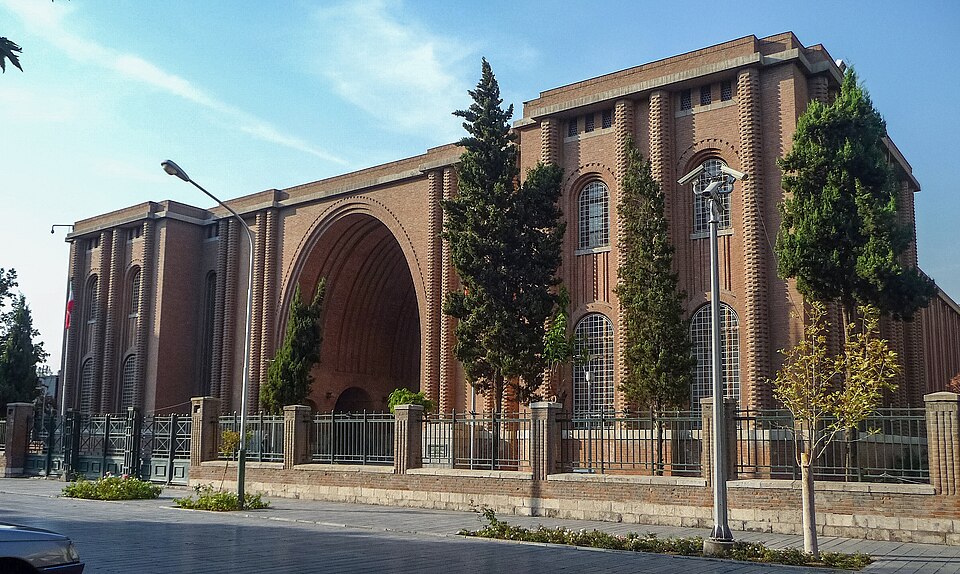
Photo: Ondřej Žváček · CC BY 2.5 · Wikimedia Commons Step into the National Museum of Iran, home to the richest and largest collection of Iranian antiquities in the world, with more than 3 million artefacts. It is really two museums in one: the Museum of Ancient Iran and the Museum of the Islamic Era. This is also one of the oldest archaeological museums in West Asia and a major research hub for archaeology, with departments devoted to different historical periods. Take your time, because the story of Iran's past unfolds here room by room.
Grand Bazaar
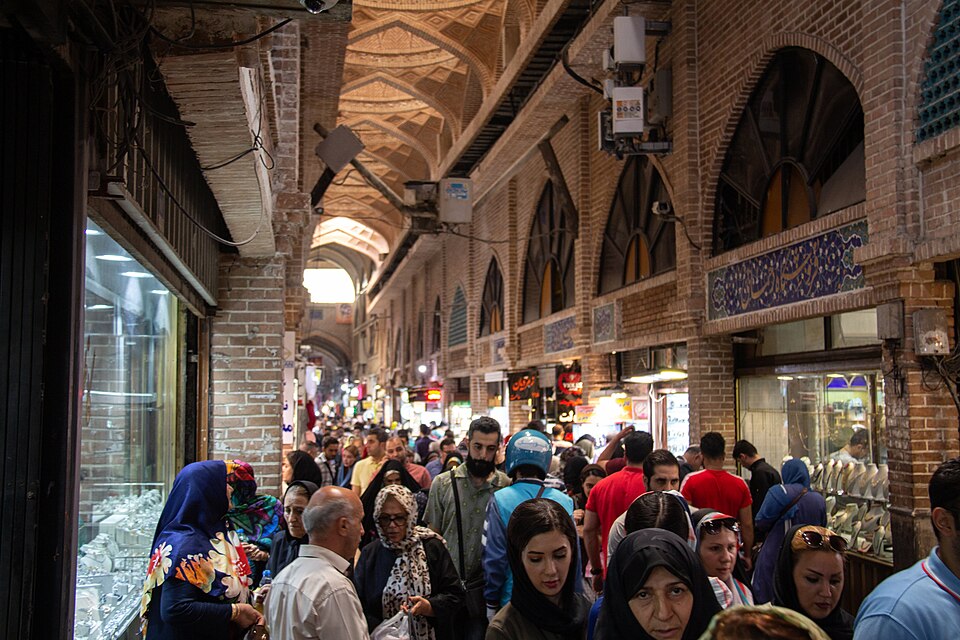
Photo: Brunobuisson · CC BY-SA 4.0 · Wikimedia Commons Dive into the Grand Bazaar in central Tehran, a maze of corridors more than 10 kilometres long, each specialising in different goods. Most visitors enter through Sabze Meydan, the main gate. As you wander, you will find not only shops but also mosques, guest houses and banks tucked between the stalls. No one can say exactly when the bazaar first appeared, but travellers reported growing commerce in this area in the centuries after the Muslim conquest of Iran. In 1977 the bazaar was added to Iran's National Heritage List.
Sa'dabad Complex
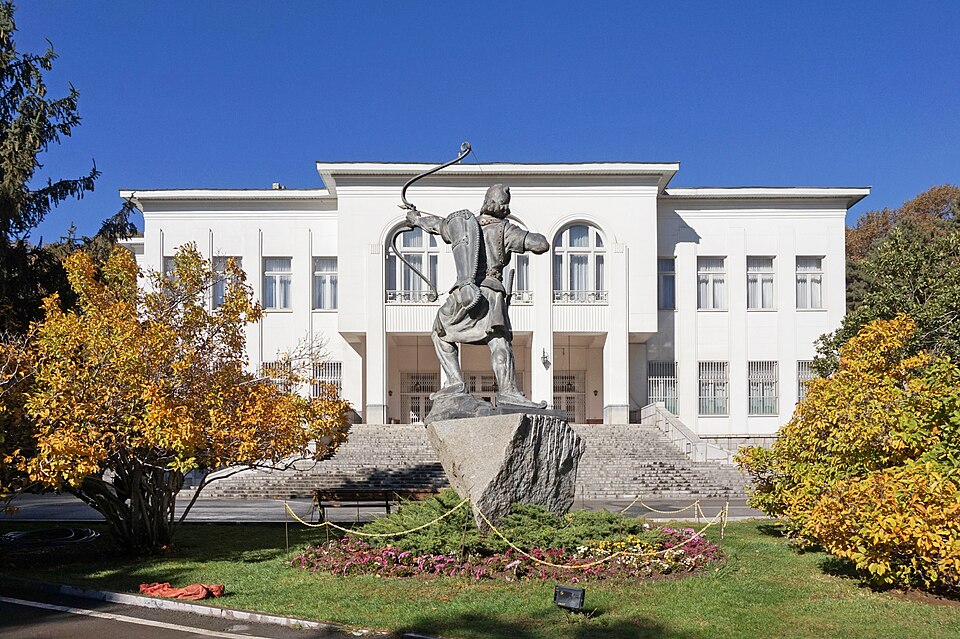
Photo: Bernard Gagnon · CC BY-SA 4.0 · Wikimedia Commons In the green northern district of Shemiran lies the Sa'dabad Complex, 80 hectares of natural forest, streets, qanats, galleries, mansions, palaces and museums. It was first built and inhabited by the Qajar shahs in the 19th century. After great expansion, Reza Shah of the Pahlavi dynasty lived here from the 1920s until his exile in 1941, and his son Mohammad Reza Shah moved here in the 1970s. In 1978 the American President Jimmy Carter stayed in the palace during a visit. After the 1979 Revolution the complex became a public museum.